
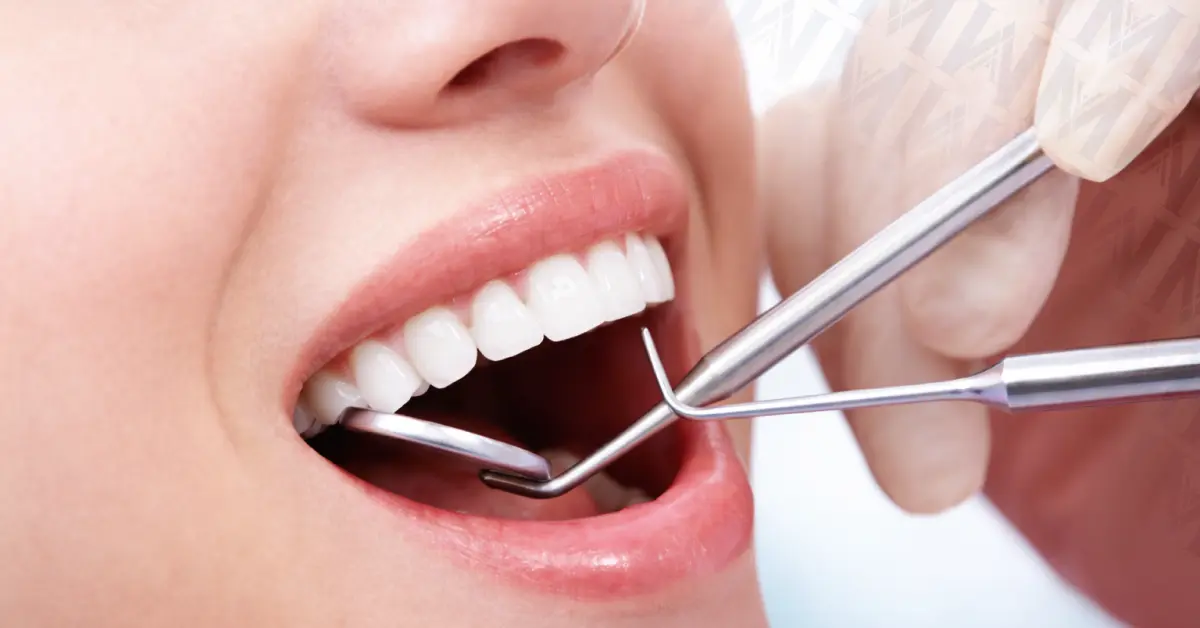
Professional dental cleaning is the foundation of good oral health. No matter how carefully you brush and floss at home, plaque hardens into tartar within 24 to 72 hours and can only be removed with professional instruments. Left untreated, this buildup leads to gum disease, tooth decay, and eventually tooth loss.
Unlike at-home care that maintains daily hygiene, dental cleaning reaches areas your toothbrush cannot access. Hygienists use specialised tools to remove deposits from between teeth, below the gumline, and in hard-to-reach spots where bacteria thrive. The result is a cleaner, healthier mouth and a reduced risk of serious dental problems.
This guide covers everything you need to know about professional dental cleaning: the different types available, what the procedure involves, realistic costs across the UK, USA, and Turkey, and how to decide on the right cleaning schedule for your needs. By the end, you will have the knowledge to make confident decisions about your preventive dental care.
Key points:
- Professional dental cleaning removes plaque and tartar that brushing and flossing cannot reach, preventing gum disease and tooth decay
- Standard cleaning takes 30-60 minutes and is recommended every 6 months for most patients
- dental cleaning costs €30-€80 in Turkey, representing 50-60% savings
- Deep cleaning (scaling and root planing) treats existing gum disease and costs significantly more than routine prophylaxis
- Regular dental cleaning extends the life of dental work including implants, veneers, crowns, and bridges
What is professional dental cleaning?
Professional dental cleaning is a preventive treatment done by a dentist or hygienist to remove plaque, tartar, and surface stains. It focuses on areas where bacteria build up and cause damage over time.
Plaque is a soft, sticky layer of bacteria that forms on teeth every day. When you eat or drink, plaque bacteria produce acids that harm enamel and irritate the gums. Brushing removes most plaque, but any left behind can harden into tartar within one to three days.
Tartar, also called calculus, sticks firmly to teeth and cannot be removed with brushing or flossing. Only professional tools can remove it safely. As tartar builds up, it creates rough surfaces that trap more bacteria, leading to gum inflammation, disease, and decay.
Professional dental cleaning differs from dental treatment. Routine cleaning is preventive care for healthy mouths, while deep cleaning treats active gum disease. Your dentist will assess your oral health to decide what you need.
How does dental cleaning work?
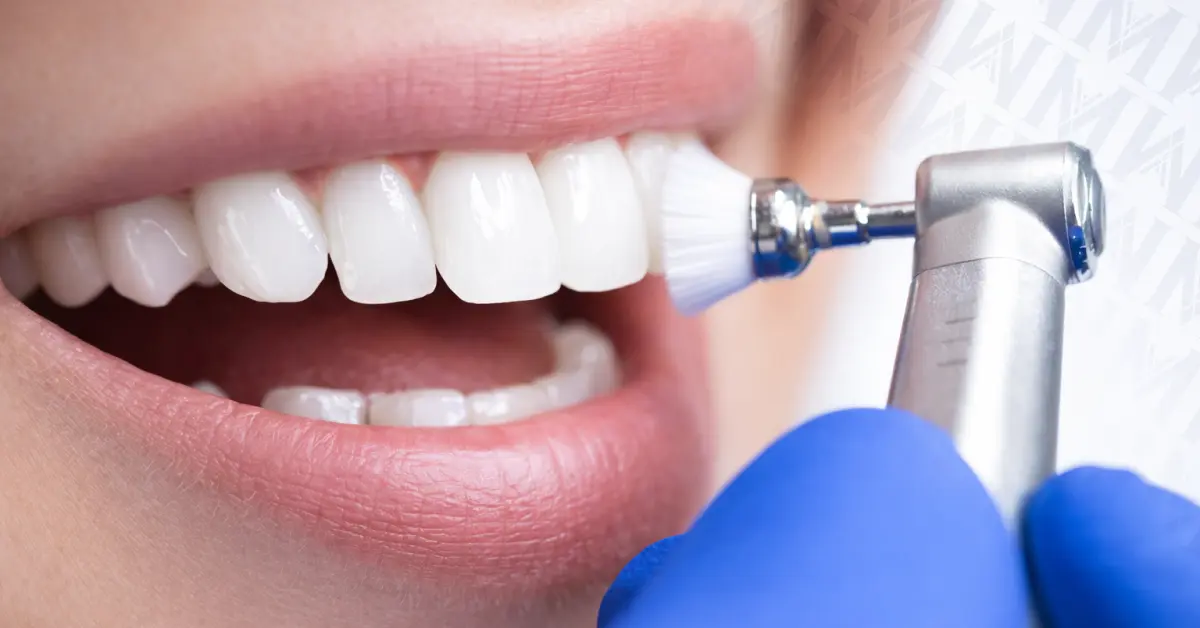
Dental cleaning uses special tools to remove buildup from the teeth. The hygienist cleans each tooth carefully above and just below the gumline. Modern cleanings mainly use ultrasonic scalers, which vibrate and spray water to break up tartar without harming enamel. The water washes away debris and keeps the teeth cool during the process. Hand scalers are used for detailed cleaning, especially between teeth and along the gumline. These small metal tools help remove stubborn tartar that ultrasonic devices may miss. After scaling, the teeth are polished to remove surface stains and smooth the enamel. A rotating rubber cup with a gentle paste buffs away marks from coffee, tea, wine, and tobacco. The result is teeth that feel smooth and look much cleaner.Dental Cleaning vs Whitening vs At-Home Care
Dental cleaning removes plaque, tartar, and surface stains to reveal your natural tooth colour. It does not make teeth whiter than their natural shade. Whitening is needed for lighter colour. Home care helps between visits but cannot replace professional cleaning, as tartar still forms in hard-to-reach areas.
| Dental Cleaning | Teeth Whitening | At-Home Brushing/Flossing | |
|---|---|---|---|
| Removes tartar | Yes | No | No |
| Removes plaque | Yes | No | Partially |
| Prevents gum disease | Yes | No | Partially |
| Removes stains | Surface stains | Deep stains | Minimal |
| Changes tooth colour | Reveals natural colour | Yes | No |
| Frequency | Every 6 months | As desired | Daily |
| Professional required | Yes | Recommended | No |
Types of professional dental cleaning
Professional dental cleaning includes different types for different oral health needs. The right option depends on your gum health, buildup levels, and whether you have gum disease.
| Cleaning Type | Duration | Purpose | Best For | Cost Range |
|---|---|---|---|---|
| Prophylaxis | 30-60 mins | Prevention | Healthy gums | £-$$ |
| Scaling & Root Planing | 1-2 hours | Treat gum disease | Periodontitis | $$-$$$ |
| Periodontal Maintenance | 45-60 mins | Post-treatment care | Gum disease history | $$ |
| Gross Debridement | 45-60 mins | Heavy buildup removal | Years without cleaning | $$ |
| Full Mouth Disinfection | 2 sessions | Aggressive disease | Severe periodontitis | $$$ |
Prophylaxis (routine cleaning)
Prophylaxis is the standard preventive cleaning for people with healthy gums. It focuses on preventing problems before they start. A routine visit includes removing tartar, polishing to remove stains, and flossing between teeth. Fluoride is often applied at the end to strengthen enamel and help prevent cavities.
This cleaning is usually recommended every six months for most adults. It takes 30 to 60 minutes, depending on buildup and home care. It is only suitable for healthy gums, with shallow pockets and no signs of gum disease. If problems are found, a different type of cleaning is needed.
Scaling and root planing (deep cleaning)
Scaling and root planing, also called deep cleaning, treats active gum disease. It removes bacteria and tartar from deep pockets around the tooth roots where brushing and routine cleaning cannot reach. These pockets form when gums pull away from teeth and can lead to bone loss and tooth loss if untreated.
The treatment has two steps. Scaling removes tartar and bacteria from the teeth and pockets. Root planing smooths the roots so gums can reattach. The procedure is done with local anaesthesia and usually completed in sections over two to four visits.
After treatment, some soreness and bleeding are normal for a few days. A follow-up visit after four to six weeks checks healing and decides if more care is needed.
Periodontal maintenance cleaning
Periodontal maintenance is ongoing care after gum disease treatment. It helps keep the condition stable and prevents it from returning. This cleaning is more detailed than routine cleaning but less intensive than deep cleaning. The hygienist cleans above and below the gumline, measures gum pockets, and checks for signs of disease.
Periodontal maintenance is usually done every three to four months, not every six months. This is because patients with past gum disease have a higher risk of relapse. More frequent visits allow early detection and quick treatment. Skipping maintenance often leads to worsening disease, while regular visits help preserve results and avoid more complex procedures.
Gross debridement
Gross debridement is an initial cleaning for patients with heavy tartar buildup, often after years without dental care. Its goal is to remove enough buildup so the dentist can properly examine the teeth and gums. Severe tartar can hide decay, gum problems, or other issues.
The visit usually lasts 45 to 60 minutes and focuses on clearing large deposits, not full cleaning. Afterward, patients return for a full exam and any needed treatment. Gross debridement is a starting step, and further cleaning or deep treatment is often required to restore oral health.
Air polishing and advanced techniques
Air polishing uses pressurised water and fine powder to remove plaque, stains, and early tartar. It is gentle on enamel and works well around braces, implants, and dental work. Different powders are used for different needs, with stronger options for heavy stains and gentler powders for sensitive areas and below the gumline.
Ultrasonic and piezoelectric scalers are modern scaling tools that use vibration to break up deposits. Piezoelectric scalers produce less heat and may feel more comfortable for some patients.
Laser-assisted cleaning is a newer method that uses light to target bacteria in gum pockets. It is not yet standard and is usually used alongside traditional cleaning, not as a replacement.
Who needs professional dental cleaning?
Everyone benefits from professional dental cleaning, even with good home care. Tartar still forms in hard-to-reach areas, and regular cleaning removes it before it causes problems.
Ideal candidates for routine cleaning every 6 months typically have:
- Healthy gums with no bleeding, swelling, or recession
- No history of periodontal disease
- Good at-home oral hygiene habits
- Non-smoking status
- No chronic health conditions affecting oral health
- Pocket depths of 3mm or less around all teeth
Some people need cleaning every three to four months instead of every six. More frequent visits allow closer monitoring and early treatment for higher-risk patients. Your dentist will recommend the best schedule based on your oral health, with the goal of preventing problems before they start.
Consider more frequent cleaning if you have:
- History of gum disease or periodontitis
- Diabetes, which increases gum disease risk
- Smoking habit, current or recent
- Dental implants, bridges, or extensive restorations
- Pregnancy, due to hormonal changes affecting gums
- Dry mouth from medications or medical conditions
- Orthodontic appliances or braces
- Weakened immune system
- Rapid tartar buildup despite good home care
Signs you need a professional dental cleaning
Certain signs suggest your dental cleaning is overdue or a problem may be starting. If you notice these, book an appointment instead of waiting for your next routine visit.
- Bleeding gums: Healthy gums do not bleed during normal brushing or flossing. Bleeding indicates inflammation, usually from plaque and tartar buildup.
- Persistent bad breath: Chronic halitosis that does not improve with brushing often signals bacteria accumulation that needs professional removal.
- Visible tartar: Yellow or brown deposits along the gumline or between teeth mean tartar has formed and cannot be removed at home.
- Red or swollen gums: Healthy gums are pink and firm. Redness, puffiness, or tenderness suggests irritation from bacterial buildup.
- Gum recession: Teeth that appear longer or have exposed root surfaces need professional assessment.
- Tooth sensitivity: New sensitivity to hot, cold, or sweet foods may indicate decay or gum problems.
- Changes in bite: Teeth that feel different when biting together may signal periodontal issues.
The dental cleaning procedure step by step
Knowing what happens during dental cleaning helps you feel prepared and understand what each step accomplishes. While every appointment is slightly different, most routine cleanings follow a similar sequence.
The typical dental cleaning journey:
- Examination: Visual check and periodontal assessment
- Scaling: Tartar and plaque removal
- Polishing: Stain removal and surface smoothing
- Flossing: Debris removal between teeth
- Fluoride: Enamel strengthening treatment (optional)
- Guidance: Oral hygiene recommendations
Examination and assessment
Your cleaning visit starts with an exam of your teeth and gums. The dentist or hygienist checks for decay, damaged fillings, and signs of disease. Gum pocket depths are measured with a small tool. Healthy pockets are 1 to 3 mm, while deeper pockets suggest gum disease. Bleeding during probing is also noted, as it signals inflammation or infection.
These findings are recorded as a baseline for future visits. X-rays may be taken if needed to check for hidden decay or bone loss. Based on the results, the dentist decides whether routine cleaning is enough or if deeper treatment is required.
Scaling (tartar removal)
Scaling is the main part of dental cleaning. The hygienist removes plaque and tartar from all tooth surfaces. An ultrasonic scaler is usually used first. It vibrates while spraying water to break up tartar and wash debris away. You may hear a humming sound and feel vibration on your teeth.
After this, hand tools are used to clean tight areas between teeth and along the gumline. You may feel scraping and pressure. Some areas collect more tartar, especially behind the lower front teeth and around the upper back molars, so these spots get extra attention.
Scaling should not be painful, though mild sensitivity is possible. If you feel discomfort, tell your hygienist so they can adjust the technique or apply numbing support if needed.
Polishing
After scaling, polishing removes surface stains and smooths the enamel. A rotating rubber cup applies a mildly abrasive paste to each tooth. Different paste strengths are used based on how much staining you have. The polishing cup buffs away stains from coffee, tea, wine, tobacco, and foods, leaving teeth smooth and clean.
Some clinics also use air polishing, which sprays water, air, and fine powder to remove stains and plaque. This is helpful for heavy staining or around braces. Polishing only removes surface stains and does not change your natural tooth colour. Whitening is needed for a lighter shade.
Flossing and fluoride
After polishing, the hygienist flosses between your teeth to remove leftover debris and paste. This also helps spot rough fillings or early decay.
Fluoride treatment is often offered at the end. It strengthens enamel and helps prevent cavities for several months. Fluoride may be applied as a gel or foam in trays, or as a varnish painted onto the teeth. Both work well, and varnish is easier for some patients.
After fluoride, avoid eating or drinking for 30 minutes. A temporary film may remain but brushes away later. Fluoride is optional and may cost extra, but it is helpful for patients prone to cavities.
Deep cleaning procedure (if needed)
If gum disease is found, deep cleaning is done instead of routine cleaning. This treatment takes more time and is often spread over several visits. Local anaesthesia is used for comfort, and the mouth is treated in sections to avoid long appointments.
The dentist or hygienist cleans deep below the gumline to remove bacteria and tartar from the roots. Root planing smooths the roots so gums can heal and reattach. Medicated rinses or antibiotics may be used to reduce bacteria.
After treatment, gums may feel sore for a few days. Pain relief and saltwater rinses can help. A follow-up visit after four to six weeks checks healing and decides if more care is needed.
How much does dental cleaning cost?
Dental cleaning costs vary significantly by country, region, and type of cleaning needed. Understanding typical price ranges helps you budget appropriately and evaluate whether treatment abroad offers meaningful savings.
| Cleaning Type | Turkey | UK | USA |
|---|---|---|---|
| Routine Prophylaxis | €30-€80 | £50-£150 | $75-$200 |
| Scaling & Root Planing (per quadrant) | €50-€150 | £150-£350 | $200-$450 |
| Full Mouth Deep Cleaning | €150-€500 | £500-£1,200 | $800-$2,000 |
| Periodontal Maintenance | €40-€100 | £80-£180 | $100-$250 |
| Gross Debridement | €50-€120 | £100-£200 | $150-$300 |
Dental cleaning costs in the UK
In the UK, dental cleaning is available through the NHS or privately, with clear cost differences. NHS Band 1 treatment costs £26.80 and includes an exam and cleaning if needed, but appointments may be limited and waiting lists are common.
Private cleaning costs more, with London clinics often charging 20 to 30 percent extra. Many patients choose private hygienists for longer, more thorough visits. Some practices offer monthly dental plans, usually £15 to £40, which include cleanings, exams, and treatment discounts.
| Cleaning Type | NHS Cost | Private Cost |
|---|---|---|
| Routine prophylaxis | £26.80 (Band 1) | £50-£150 |
| Deep cleaning (per quadrant) | £77.50 (Band 2) | £150-£350 |
| Full mouth deep cleaning | £77.50 (Band 2) | £500-£1,200 |
| Hygienist-only appointment | Not available | £50-£120 |
Dental cleaning costs in the USA
Dental cleaning costs in the USA vary by location, with cities charging more than rural areas. Dental insurance usually covers two routine cleanings per year at full cost. Deep cleaning is often covered at about 80 percent, but patients may still pay $150 to $400 out of pocket.
For people without dental insurance, costs add up quickly, leading some to delay care. This often results in more serious problems later and drives some patients to consider dental tourism.
| Cleaning Type | Average Cost | Range |
|---|---|---|
| Routine prophylaxis | $125 | $75-$200 |
| Deep cleaning (per quadrant) | $300 | $200-$450 |
| Full mouth deep cleaning | $1,200 | $800-$2,000 |
| Periodontal maintenance | $175 | $100-$250 |
Dental cleaning costs in Turkey
Turkey offers strong savings on dental cleaning, especially when combined with other treatments. Cleaning alone rarely justifies travel, but it adds value when included with veneers, implants, or crowns. Many clinics bundle cleaning into treatment packages at no extra cost.
A thorough cleaning before cosmetic work improves results and helps with accurate shade matching. Reputable Turkish clinics match Western standards, using modern tools such as ultrasonic scalers and air polishing systems.
| Cleaning Type | Turkey Cost | Savings |
|---|---|---|
| Routine prophylaxis | €30-€80 | 50-60% |
| Deep cleaning (full mouth) | €150-€500 | 60-70% |
| Periodontal maintenance | €40-€100 | 50-60% |
Is professional dental cleaning worth it?
Professional dental cleaning is a cost-effective way to protect your health. Regular cleanings cost far less than treating problems caused by neglect. A routine cleaning costs £50 to £150, while advanced gum disease treatment can reach £500 to £1,200 or more. Tooth loss and implants add thousands in extra costs.
Cleaning also protects existing dental work. Implants, crowns, veneers, and bridges need healthy gums to last. Gum disease increases the risk of failure. Good oral health is also linked to better overall health, including lower risks for heart disease and diabetes complications. For patients with past gum disease or dental restorations, regular cleaning is essential to prevent relapse and protect long-term results.
| Advantages of Dental Cleaning | Disadvantages of Dental Cleaning |
|---|---|
| Prevents costly gum disease treatment | Requires scheduling and time |
| Maintains natural teeth longer | Some temporary sensitivity possible |
| Reduces risk of tooth loss | Ongoing cost (though relatively low) |
| Freshens breath and improves appearance | May be uncomfortable for anxious patients |
| Extends life of dental restorations | Needs to be repeated regularly |
| Detects problems early | Not covered by all insurance |
How often should you get professional dental cleaning?
The right cleaning schedule depends on your oral health and risk factors. While general guidelines exist, your dentist will suggest what best suits you. For most people with healthy gums, cleaning every six months works well.
Six-month visits allow tartar to build up without causing harm and allow problems to be caught early, when treatment is simpler and cheaper. Some low-risk patients with excellent hygiene may only need yearly cleaning, but six-month visits remain the safest choice for most people.
Certain conditions warrant cleaning every three to four months rather than the standard six-month interval:
- History of periodontal disease: Once you have had gum disease, you are at elevated risk of recurrence. More frequent cleaning catches early signs of returning problems.
- Diabetes: High blood sugar increases susceptibility to gum infection. Diabetics have higher rates of periodontal disease and benefit from closer monitoring.
- Smoking: Tobacco use significantly increases gum disease risk and impairs healing. Smokers often need more frequent cleaning to maintain oral health.
- Dental implants: Implants require healthy surrounding tissue to remain stable. Peri-implantitis, an infection around implants, can develop without symptoms. Regular dental cleaning protects your implant investment.
- Pregnancy: Hormonal changes increase gum sensitivity and risk of pregnancy gingivitis. More frequent cleaning during pregnancy helps maintain oral health during this vulnerable time.
- Rapid tartar formation: Some people simply form tartar faster than others, regardless of how well they brush and floss. If heavy buildup consistently appears at six-month visits, more frequent cleaning may be needed.
What to expect after dental cleaning
Most people leave a cleaning with a fresh, smooth feeling and few side effects. Teeth feel smoother right away and may look slightly brighter as surface stains are removed. This shows your natural colour, not a whitening effect.
Mild sensitivity to hot or cold can occur for a day or two, especially if tartar was removed near the gums. Slight gum soreness or light bleeding is also common and usually settles within 24 hours. Gentle saltwater rinses can help.
If fluoride was applied, avoid eating or drinking for 30 minutes. A temporary film may be felt but will brush away later.
Deep cleaning involves more extensive work and requires a longer recovery period. Knowing what to expect helps you prepare and recognise normal healing.
Numbness from anaesthesia usually wears off within two to four hours. Avoid eating until the feeling returns to prevent biting your cheek or tongue. Mild gum soreness and some bleeding when brushing or flossing are normal. Stick to soft foods, avoid hot or spicy items, and do not smoke, as smoking slows healing.
Sensitivity to hot, cold, and sweet foods is common. Use sensitivity toothpaste if advised. Continue gentle brushing and flossing, rinse with warm salt water several times a day, and take over-the-counter pain relief if needed. Avoid hard, crunchy, or sticky foods.
Sensitivity gradually improves as gums heal and tighten around the teeth. Teeth may feel slightly loose for a short time as tissues adjust. Attend your follow-up visit as planned. Contact your dentist if you have severe pain that does not improve, ongoing bleeding, fever, signs of infection, or increasing swelling.
How to maintain results between dental cleanings
Dental cleaning removes buildup, but daily care determines how quickly it returns. Good home hygiene extends the benefits of dental cleaning and keeps your mouth healthier between visits.
Daily care recommendations:
- Brush twice daily for two full minutes using fluoride toothpaste
- Use a soft-bristled brush and gentle pressure
- Angle bristles toward the gumline where plaque accumulates
- Floss daily, curving around each tooth in a C-shape
- Consider an electric toothbrush, which removes more plaque than manual brushing
- Use antimicrobial mouthwash if recommended by your dentist
Lifestyle factors:
- Limit sugary and acidic foods and drinks
- Rinse with water after consuming staining beverages
- Do not smoke or use tobacco products
- Stay hydrated to maintain saliva flow
- Chew sugar-free gum to stimulate saliva after meals
Patients who maintain excellent home care have easier, faster dental cleaning appointments. Less buildup means less time scaling and a more comfortable experience.
Dental cleaning risks and side effects
Professional dental cleaning is extremely safe, with complications being rare and typically minor. Understanding potential issues helps you recognise when to seek advice.
Common experiences (not complications):
- Temporary sensitivity to temperature for one to two days
- Minor gum soreness that resolves within 24 hours
- Slight bleeding during and briefly after cleaning
- Teeth feeling different as tongue adjusts to smooth surfaces
Rare complications:
- Prolonged sensitivity: Occasionally sensitivity lasts longer than a few days, particularly after deep cleaning. Sensitivity toothpaste and avoiding extreme temperatures help while it resolves.
- Gum infection: Very rarely, cleaning can introduce bacteria into gum tissue. Signs include increasing pain, swelling, or fever after the first day. This requires prompt antibiotic treatment.
- Damage to existing dental work: Ultrasonic scalers can occasionally loosen old fillings or crowns. Inform your hygienist about any dental work you are concerned about.
- Bacteraemia: Cleaning releases small amounts of bacteria into the bloodstream temporarily. For most people this is harmless, but patients with certain heart conditions may need preventive antibiotics before dental procedures.
Contact your dentist if you experience:
- Severe pain that does not improve with over-the-counter pain relievers
- Bleeding that continues more than 24 hours after cleaning
- Fever, significant swelling, or pus
- Dental work that feels loose or falls out
- Symptoms that worsen rather than improve over time
Most patients experience no complications whatsoever. dental cleaning has an excellent safety record when performed by trained dental professionals.
Dental cleaning abroad: is Turkey a good option?
Turkey has become a popular destination for dental tourism, treating hundreds of thousands of international patients annually. While dental cleaning alone typically does not justify international travel, it becomes relevant when combined with other dental treatments.
Patients travelling to Turkey for veneers, crowns, implants, or full smile makeovers benefit from including dental cleaning in their treatment plan. Thorough cleaning before cosmetic work ensures the best possible results.
Why cleaning matters before cosmetic dentistry:
- Removes surface stains for accurate shade matching
- Ensures gums are healthy before veneer or crown preparation
- Identifies any underlying problems before treatment begins
- Creates optimal conditions for bonding and cement adhesion
- Establishes baseline for ongoing maintenance
Many Turkish clinics include cleaning as a standard part of comprehensive treatment packages. Rather than an additional cost, thorough hygiene preparation is built into the overall plan.
Common treatment combinations:
- Cleaning before veneers ensures proper shade selection
- Deep cleaning before implant placement promotes healing
- Hygiene assessment as part of full mouth rehabilitation
- Whitening after cleaning for maximum brightness
Why patients choose Turkey for comprehensive dental care
For patients needing extensive dental work, Turkey offers compelling advantages that extend beyond cleaning alone:
- Significant cost savings: Comprehensive treatments cost 60-70% less than UK or US prices, even with premium materials
- Modern clinics: Many centres feature advanced technology including digital imaging, CAD/CAM systems, and in-house laboratories
- Experienced teams: High patient volumes mean Turkish dental professionals develop extensive expertise
- All-inclusive packages: Treatment, accommodation, transfers, and sometimes city tours bundled into clear pricing
- Quality materials: Reputable clinics use internationally recognised brands and materials identical to those used in Western practices
For patients already travelling for major dental work, dental cleaning adds minimal cost while providing meaningful benefits. The combination of thorough hygiene care with cosmetic or restorative treatment creates optimal conditions for long-lasting results.
Most patients feel pressure and scraping but not pain during routine cleaning. Modern ultrasonic tools are gentler than older instruments. If sensitivity occurs, the hygienist can adjust the technique or apply a calming gel. Deep cleaning is done with local anaesthesia for comfort.
The exact time depends on how much buildup you have and whether extras like X-rays or fluoride are included. Deep cleaning usually takes 1 to 2 hours and may be done over more than one visit. Patients with good home care often finish faster than those with heavy tartar buildup.
A six-month interval works well for people with healthy gums and average tartar buildup. Patients with gum disease, diabetes, implants, or higher risk may need cleaning every 3 to 4 months. Your dentist will recommend the best schedule for your oral health.
Professional tools remove tartar without harming healthy enamel. Mild sensitivity after cleaning is normal and usually fades within a few days. These instruments are designed for safe use, and trained professionals clean effectively without damaging your teeth.
Deep cleaning is a treatment for active gum disease. Routine cleaning removes buildup above and just below the gumline in healthy mouths. Deep cleaning, also called scaling and root planing, removes bacteria and tartar from deep gum pockets, requires anaesthesia, and treats infection.
In the UK, private dental cleaning usually costs £50 to £150, while NHS Band 1 treatment, which includes an exam and cleaning, costs £26.80. In the USA, routine cleaning typically costs $75 to $200. Deep cleaning is more expensive. Prices are around €150 to €500 in Turkey, compared with £500 to £1,200 in the UK and $800 to $2,000 in the USA.
After a routine cleaning, you can eat and drink normally right away. If fluoride was applied, wait 30 minutes before eating. After a deep cleaning, choose soft foods for 24 to 48 hours and avoid hot or spicy foods until any numbness wears off.
Healthy gums usually do not bleed during cleaning. Bleeding is a sign that plaque and tartar have irritated the gums. With regular cleanings and better home care, inflammation reduces and bleeding often improves over time.
Even good brushing cannot remove tartar once it forms. Plaque hardens into tartar within 24 to 72 hours, and only professional tools can remove it. Deposits often build up between teeth and along the gumline, where brushing may miss. Regular dental cleaning prevents problems that home care cannot.
Reputable dental clinics in Turkey use the same tools, techniques, and hygiene standards as Western practices. Many are accredited and employ experienced hygienists. Dental cleaning is often included in treatment packages, making it a convenient part of dental tourism for patients having other procedures.
