
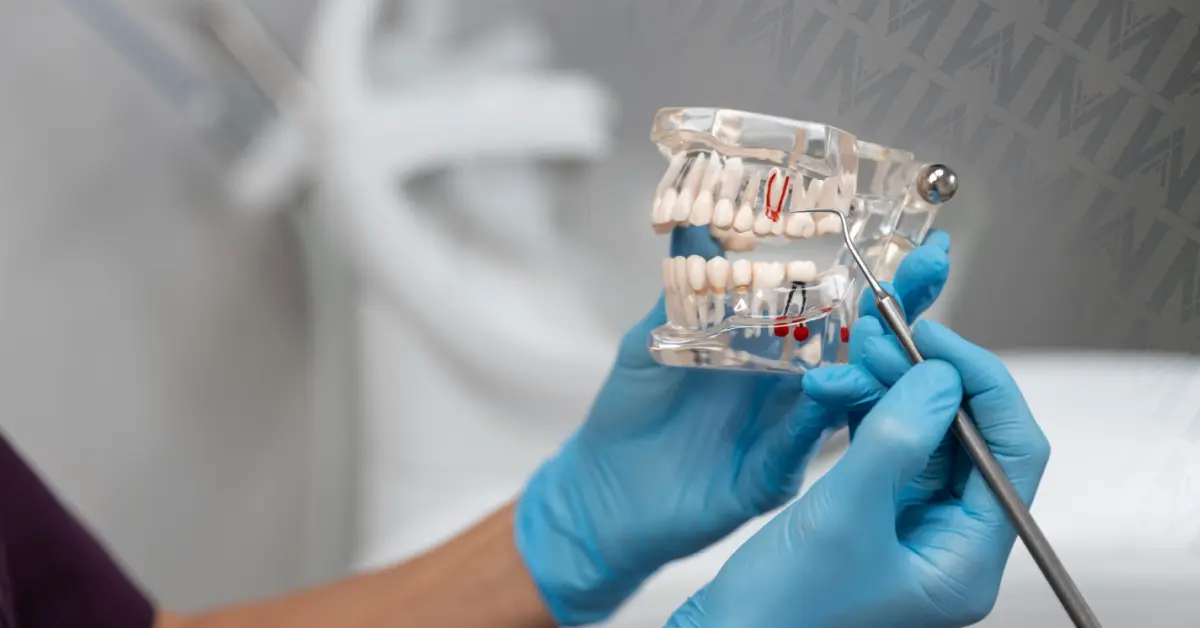
Dental crowns are one of the most versatile and reliable solutions in modern dentistry. Whether you have a cracked tooth, severe decay, or need restoration after a root canal, a crown can restore your tooth's strength, function, and appearance in ways that fillings simply cannot match.
This guide covers everything you need to know about dental crowns: the different materials available, what the procedure involves, realistic costs across the UK, USA, and Turkey, and how to decide if crowns are the right choice for your situation. By the end, you'll have the knowledge to make confident decisions about your dental care.
Key Takeaways
- Dental crowns restore and protect damaged teeth by covering the entire visible portion above the gum line, acting as a protective cap
- Success rates exceed 90% when placed by qualified dentists with proper patient oral hygiene
- A single crown costs £500–£1,200 in the UK compared to £150–£350 in Turkey, representing 60–70% savings
- Zirconia, porcelain, and Emax are the most popular materials today, each offering distinct advantages for different situations
- Crowns typically last 10–15 years, with gold and zirconia crowns often lasting 20–30 years with proper care
- Same-day crowns using CEREC technology are now available at select clinics, eliminating the traditional two-visit process
What are dental crowns?
A dental crown is a custom-made cap that fits over a damaged or weak tooth. Once it is cemented in place, the crown covers the entire visible part of the tooth above the gum line. It helps restore the tooth's shape, size, strength, and appearance.
A crown is like a protective helmet for your tooth. If a tooth is badly damaged by decay, a crack, or treatment, it may become too weak to work properly on its own. A crown covers what’s left of the tooth, protects it, and helps it handle biting forces.
Unlike fillings, which repair small areas of damage within a tooth, crowns provide complete coverage. This makes them the treatment of choice when more than half of a tooth's structure has been lost or compromised.
How Do Dental Crowns Work?
The dental crown system has three key parts that work together. First, your dentist reshapes the damaged tooth to make space for the crown. This prepared tooth serves as a strong foundation, just like a building needs a solid base.
The crown is shaped to fit your tooth and the neighboring teeth perfectly. Modern crowns are made using molds or digital scans that capture every detail of your bite and tooth structure.
Dental cement permanently attaches the crown to the prepared tooth. Once it sets, the crown and tooth work together as one unit. The crown helps spread bite forces evenly across the tooth, which prevents stress points that can cause weaker teeth to crack or break.
Dental Crowns vs Fillings vs Veneers vs Inlays/Onlays
Understanding when crowns are the right choice requires knowing how they compare to other restorations. Each option serves different purposes and levels of damage:
| Crowns | Fillings | Veneers | Inlays/Onlays | |
|---|---|---|---|---|
| Coverage | Full tooth encasement | Partial cavity filling | Front surface only | Partial cusp coverage |
| Best For | Severe damage, root canals, weak teeth | Small to medium cavities | Cosmetic improvement | Moderate damage |
| Longevity | 10–15+ years | 5–10 years | 10–15 years | 10–15 years |
| Tooth Removal | Significant reshaping required | Minimal removal | Minimal enamel removal | Moderate removal |
| Strength | Maximum structural support | Minimal support | No structural benefit | Moderate support |
Crowns are the best choice when keeping the tooth strong is the main concern. If your dentist can probe or flex the remaining tooth walls, or if more than half of the visible tooth is damaged, a crown offers the protection you need.
Fillings are good for small cavities when most of the tooth is still healthy. Veneers improve the appearance of front teeth but don't strengthen them. Inlays and onlays, also known as partial crowns, help fix moderate damage when a filling is too small but a full crown isn't needed.
Types of Dental Crowns
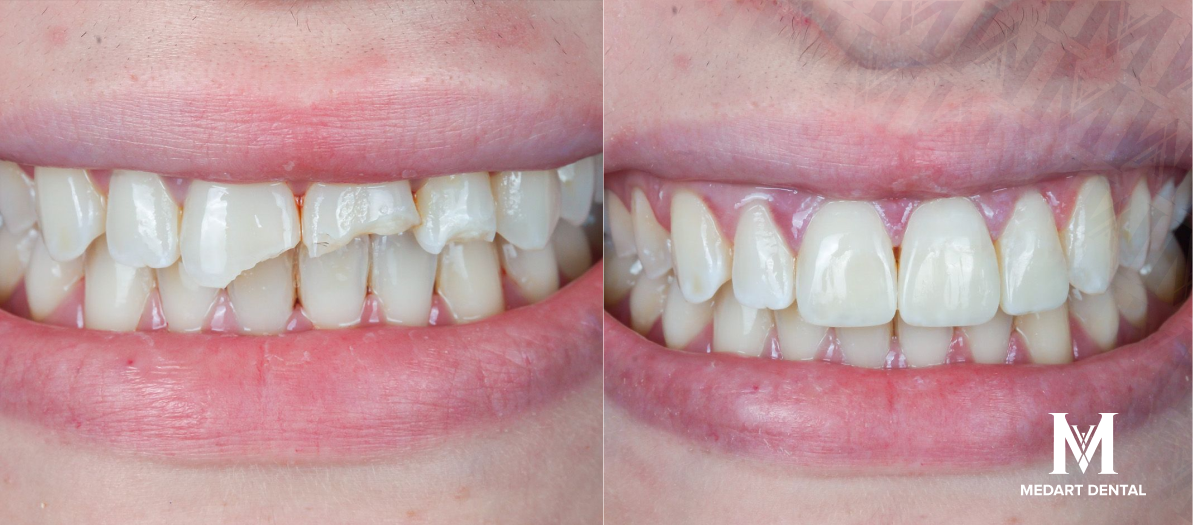
The material your crown is made from affects how it looks, how long it lasts, what it costs, and which teeth it's suitable for. Each dental crown material offers distinct trade-offs between aesthetics, durability, and price.
Your dentist will recommend materials based on the tooth's position, your bite forces, aesthetic priorities, and budget. Many patients opt for different materials on different teeth.
| Material | Durability | Aesthetics | Best Position | Cost | Lifespan |
|---|---|---|---|---|---|
| Zirconia + E-Max Combo | ★★★★★ | ★★★★★ | Full mouth restoration | $$$$ | 15–20+ years |
| Zirconia | ★★★★★ | ★★★★☆ | Back teeth, grinders | $$$ | 15–20+ years |
| E-Max Empress | ★★★★☆ | ★★★★★ | Front teeth | $$$$ | 10–15 years |
| All-Porcelain | ★★★☆☆ | ★★★★★ | Front teeth | $$$ | 10–15 years |
| Gold/Metal | ★★★★★ | ★☆☆☆☆ | Back molars only | $$$ | 20–30 years |
| PFM | ★★★★☆ | ★★☆☆☆ | Any position | $$ | 10–15 years |
Zirconia + E-Max Combination Crowns
The zirconia + E-Max combination is an ideal solution for full mouth restorations and smile makeovers. E-Max crowns are used on the front teeth for their natural translucency and beautiful appearance, while zirconia crowns are placed on the back teeth for superior strength and durability.
This approach creates a balanced result that looks highly aesthetic, functions comfortably, and is built to last, often 15–20 years or longer with proper care.
Zirconia Crowns
Zirconia has become one of the most reliable materials for dental crowns, offering metal-like strength with a natural tooth appearance. It is especially well-suited for back teeth and for patients who grind their teeth, as it is highly resistant to fractures and contains no metal, making it biocompatible.
While early zirconia crowns looked less natural, modern multilayered versions provide improved aesthetics, and with proper bite adjustment, they can last 15–20 years or longer.
E-Max Empress Crowns
E-Max Empress is a premium all-ceramic crown known for its exceptionally natural appearance. Made from lithium disilicate, it allows light to pass through much like natural enamel, making it an excellent choice for front teeth where cosmetic results matter most.
While it is not as strong as zirconia and less suitable for heavy biting or grinding on back teeth, E-Max delivers outstanding visual results and typically lasts 10–15 years with proper care.
Porcelain (Ceramic) Crowns
All-porcelain crowns offer a very natural look, as their translucency closely matches how real tooth enamel reflects light. They are an excellent choice for front teeth and for patients with metal allergies, since they contain no metal at all.
While they provide strong aesthetic results, they are less durable under heavy bite forces, so other materials are often preferred for back teeth; with good care, porcelain crowns usually last 10–15 years.
Gold and Metal Alloy Crowns
Gold and metal crowns are the most durable crown option and can last 20–30 years or more. Although their metallic look makes them unsuitable for visible teeth, they work well for back molars where strength matters most. These crowns require less tooth removal and are gentle on opposing teeth, but many patients now prefer tooth-coloured options like zirconia, which offer similar durability with better aesthetics.
Porcelain-Fused-to-Metal (PFM) Crowns
PFM (porcelain-fused-to-metal) crowns use a metal core for strength and a porcelain outer layer for a tooth-like appearance. Once the standard choice for crowns and bridges, they offer reliable durability at a lower cost and can be used on both front and back teeth.
However, the metal can cause a dark line at the gum over time and may trigger allergies, which is why many dentists now prefer metal-free options like zirconia or E-Max for better aesthetics.
Temporary vs Permanent Dental Crowns
During traditional crown treatment, a temporary crown is placed while your permanent crown is made in the dental lab. Temporary crowns are usually made from acrylic or composite resin and protect the prepared tooth, but they are held in place with weak cement and are not meant for long-term use. To prevent damage to temporary crowns or loosening, avoid sticky or hard foods, chew on the opposite side when possible, and floss gently by sliding the floss out sideways.
Who needs a dental crown?
Dental crowns are used for both restorative and cosmetic reasons, commonly recommended in the following situations:
Key Takeaways
- Severe tooth decay: When a cavity has damaged too much tooth structure for a filling to hold, a crown provides full coverage and strength.
- Cracked or fractured teeth: Crowns stabilise the tooth, prevent cracks from spreading, and reduce the risk of tooth loss.
- After root canal treatment: Teeth become weaker after root canal therapy, and crowns significantly reduce the risk of fracture.
- Large or failing fillings: When old or extensive fillings weaken the remaining tooth, a crown offers better long-term protection.
- Cosmetic concerns: Crowns can improve the appearance of severely discoloured, misshapen, or damaged teeth when veneers or bonding are not sufficient.
- Dental implants: Crowns act as the visible, functional tooth placed on top of the implant.
- Dental bridges: Crowns are placed on neighbouring teeth to support and anchor a bridge.
- Worn or eroded teeth: Teeth damaged by grinding or acid erosion may need crowns to restore height, function, and bite balance.
The Dental Crown Procedure Step by Step
Understanding what happens during crown treatment helps you prepare mentally and practically. The traditional process requires two appointments over one to two weeks, though same-day options are increasingly available.
Key Takeaways
- The typical dental crown journey:
- 1. Initial Consultation: Examination, X-rays, and discussion of crown material options
- 2. Tooth Preparation: Reshaping the tooth, taking impressions, and placing a temporary crown
- 3. Crown Fabrication: Dental laboratory creates your custom crown (1–2 weeks)
- 4. Permanent Crown Placement: Temporary crown removed, permanent crown fitted and cemented
- 5. Final Adjustments: Bite check and polishing for optimal comfort
Initial Consultation and Examination
Your crown treatment begins with a detailed dental examination, including X-rays to evaluate the tooth, root, and surrounding bone.
Your dentist will confirm whether a crown is the right solution, review material options based on function, appearance, and budget, and explain the treatment process, costs, and expected recovery while answering any questions you may have.
Tooth Preparation (First Treatment Visit)
The preparation visit usually takes 30 to 60 minutes per tooth. After numbing the area with local anaesthesia, your dentist reshapes the tooth by removing a thin outer layer to create space for the crown.
The amount removed depends on the crown material. If the tooth is significantly damaged, a core build up may be placed to provide strength and stability. An impression is then taken using either traditional dental putty or a digital scanner, and the tooth shade is recorded to ensure a natural match.
A temporary crown is placed at the end of the visit to protect the tooth and maintain proper spacing while your permanent crown is being made.
Crown Fabrication
Your impression or digital scan is sent to a dental laboratory where technicians create your custom crown. This process usually takes one to two weeks, although faster options may be available.
The crown is carefully layered to match the colour and translucency of your natural teeth, and ceramic crowns are fired multiple times to achieve strength and a natural appearance. Reputable laboratories follow strict quality standards and often include a warranty with their work.
Permanent Crown Placement (Second Treatment Visit)
At your second appointment, the temporary crown is removed and the prepared tooth is cleaned. Your dentist places the permanent crown on the tooth without cement to check the fit, contact with nearby teeth, and bite alignment, making small adjustments if needed.
Once the fit is confirmed, the crown is permanently cemented in place, excess adhesive is removed, and final bite checks are completed. Any numbness from the anaesthesia typically wears off within a few hours.
Same-Day Crowns (CEREC Technology)
CEREC technology allows some dental practices to complete a crown in a single visit, removing the need for a temporary crown or a second appointment.
The process uses digital scanning instead of traditional impressions, and the crown is designed on a computer and milled from a ceramic block in the clinic, usually within 15 to 20 minutes. Patients leave with their permanent crown in one appointment that typically lasts two to three hours.
While this option offers clear convenience, it has some limitations, including fewer shade choices and reduced suitability for complex or multi crown cases. For more detailed aesthetic work, laboratory made crowns may still be the better option.
How much do dental crowns cost?
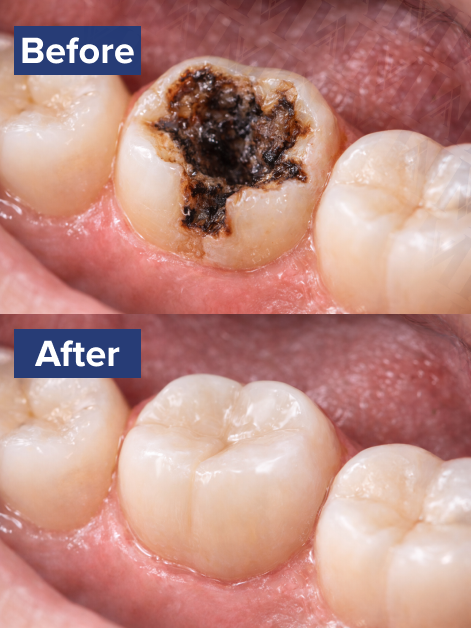
Crown costs can vary a lot depending on the material used, where you live, and how complex your dental issue is. Knowing the typical prices can help you plan your budget and see if dental tourism could save you money in your case.
| Crown Type (per tooth) | Cost in Turkey | Cost in the USA | Cost in the UK |
|---|---|---|---|
| Zirconia Crown | £150–£300 | $1,000–$2,500 | £700–£1,200 |
| E-Max Empress Crown | £180–£350 | $1,200–$2,500 | £800–£1,200 |
| Zirconia + E-Max Combo | €300–€1,150 | $1,000–$2,500 | £700–£1,200 |
| All-Porcelain Crown | £120–£250 | $800–$1,500 | £600–£1,000 |
| PFM Crown | £100–£200 | $800–$1,400 | £500–£900 |
| Gold/Metal Crown | £150–£300 | $1,000–$2,500 | £800–£1,200 |
Dental Crown Costs in the UK
In the UK, NHS dental services provide crowns at set prices under Band 3. Private treatment costs can vary widely depending on the practice and location.
| Crown Type | NHS Cost (Band 3) | Private Average Cost |
|---|---|---|
| Standard crown | £319.10 | £500–£900 |
| Porcelain/ceramic | — | £600–£1,000 |
| Zirconia | — | £700–£1,200 |
| Gold | — | £800–£1,200 |
| E-Max | — | £800–£1,200 |
NHS crowns have several limitations and are only available when a dentist determines they are clinically necessary rather than cosmetic. Material options are often limited to metal or basic ceramic. Waiting times can be long, and not all NHS practices provide crown treatment.
The cost of dental crown treatments in private clinics can vary by location, with London prices typically 20 to 40 percent higher than in other parts of the UK, and premium clinics in affluent areas charging even more.
Dental Crown Costs in the USA
Dental crown costs in the USA are among the highest globally, with significant variation across states and cities.
| Crown Type | Average Cost (USD) |
|---|---|
| Porcelain/ceramic | $800–$1,500 |
| PFM | $800–$1,400 |
| Zirconia | $1,000–$2,500 |
| Gold | $1,000–$2,500 |
| E-Max | $1,200–$2,500 |
In the United States, dental insurance usually covers about 50% of crown costs after the deductible, with annual limits often capped between $1,500 and $2,000. Patients who need multiple crowns frequently exceed these limits and must pay the remaining costs themselves.
Prices in major cities such as New York, Los Angeles, and San Francisco are often 30 to 50% higher than the national average, which leads many patients to consider dental tourism for more extensive treatment.
Dental Crown Costs in Turkey
Turkey has emerged as a leading destination for dental tourism, offering substantial savings without compromising quality or materials.
| Dental Crown Type | Dental Crown Price in Turkey | Savings |
|---|---|---|
| Porcelain/ceramic | £120–£250 | 70–80% |
| Zirconia | £150–£300 | 65–75% |
| E-Max | £180–£350 | 60–70% |
| Full set (20+ crowns) | £3,000–£6,000 | 70–80% |
Turkish dental clinics are able to offer lower prices due to reduced operating costs, favourable exchange rates, and high patient volumes while still using the same premium materials and brands found in Western clinics.
Many clinics provide all-inclusive packages that cover treatment, airport transfers, and hotel accommodation, and sometimes include city tours.
For patients requiring extensive care, such as multiple crowns or full mouth restoration, the cost savings can remain significant even after travel expenses.
What's included in dental crown pricing?
A full dental crown price should cover the consultation and X-rays, tooth preparation, temporary crown, laboratory fabrication, permanent placement, and any necessary follow-up adjustments. Some clinics advertise low base prices but charge extra for items such as imaging or adjustments, while others offer an all-inclusive fee.
Before proceeding, ask whether all appointments are included, which materials and brands will be used, what warranty is offered, whether post-fitting adjustments are covered, and how replacements are handled during the warranty period.
Are dental crowns worth it?
Dental crowns can be a worthwhile investment for patients with significantly damaged teeth, as they protect the tooth and help prevent further deterioration that could lead to extraction and more costly replacement options.
While every treatment involves trade-offs, crowns often provide long-term value when truly needed. If the need for a crown is unclear, especially in teeth without apparent damage or symptoms, seeking a second opinion can help ensure the right decision.
| Advantages of Dental Crowns | Disadvantages of Dental Crowns |
|---|---|
| Restores full chewing, biting, and speaking function | Irreversible, tooth structure removed cannot be restored |
| Protects weakened teeth from cracks and fractures | Temporary sensitivity to hot/cold is common after placement |
| Natural appearance with modern materials | Crowns can chip, crack, or come loose over time |
| Long-lasting: 10–25+ years with proper care | Higher upfront cost than fillings |
| Preserves your natural tooth root and bone structure | The underlying tooth can still decay at the crown margins |
How long do dental crowns last?
Dental crowns usually last between 10 and 15 years, while gold and zirconia crowns can often last 20 to 30 years or longer with proper care. Their lifespan depends on factors such as the crown material, oral hygiene, bite pressure, and teeth grinding habits. While some crowns may fail earlier due to complications, others can function well for decades when properly maintained.
Key Takeaways
- Crown material: Stronger materials such as gold and zirconia last longer, especially on back teeth where bite forces are higher. Choosing the right material for the tooth position improves durability.
- Oral hygiene: Good brushing and flossing are essential, as decay can develop where the crown meets the natural tooth. Proper care helps prevent failure at this margin.
- Teeth grinding: Bruxism places heavy stress on crowns, particularly ceramic ones. Wearing a night guard helps protect both crowns and natural teeth.
- Diet and habits: Chewing ice, biting hard objects, or using teeth as tools can damage crowns. Sticky or very hard foods may also increase the risk of loosening or fracture.
- Quality of fit: Crowns that fit well and have precise margins last longer and distribute bite forces evenly. Poor fit increases the risk of decay and early failure.
- Tooth foundation: Crowns placed on healthy teeth with stable roots perform better long term than those placed on compromised or weakened teeth.
Signs Your Dental Crown Needs Replacement
Keep an eye on your crowns for these warning signs that may show your crown may need a replacement:
- Ongoing pain or sensitivity: Discomfort when biting or reacting to hot or cold can indicate decay under the crown, cement failure, or root issues. Mild sensitivity after placement is normal, but persistent symptoms should be checked.
- Cracks or chips: Visible damage affects both appearance and function. Minor chips may be repaired, but larger fractures usually require crown replacement.
- Dark line at the gum: A dark margin, common with PFM crowns, may appear if gums recede and expose the metal base. This mainly affects appearance but can also signal gum problems.
- Loose or unstable crown: A crown that feels loose often means the cement seal has failed. Early treatment may allow recementing, while delays can lead to decay underneath.
- Gum recession around the crown: Exposed crown edges increase the risk of decay and may reduce the crown’s protective coverage.
- Changes in bite: If the crown feels different when you bite, this usually points to an underlying issue and should be evaluated promptly.
What to expect after getting dental crowns?
Caring for dental crowns is simple and similar to caring for natural teeth. After the crown is placed, wait until the anaesthesia wears off before eating to avoid accidental injury. Mild sensitivity to hot or cold is common for a few weeks and usually settles on its own, with pain relievers or sensitivity toothpaste helping if needed. For the first day or two, choose softer foods and avoid sticky items while the cement fully sets.
Long-Term Care for Dental Crowns
Dental crowns require the same daily care as natural teeth:
- Brush thoroughly: Use a soft bristled toothbrush and fluoride toothpaste, focusing on the gum line where the crown meets the natural tooth.
- Floss daily: Gently slide floss between teeth or use interdental brushes to clean around crown margins.
- Use mouthwash: Antimicrobial mouthwash helps reduce bacteria but should not replace brushing and flossing.
- Attend regular check ups: Dental visits every six months allow early detection of decay or crown issues.
- Wear a night guard if needed: If you grind your teeth, a custom night guard helps protect crowns and natural teeth.
Foods and Habits to Avoid After Getting Dental Crowns
To protect your crown and ensure long term durability, certain foods and habits should be limited or avoided, especially during the early adjustment period.
- Avoid very hard foods: Ice, hard sweets, and popcorn kernels can chip or crack crowns, especially ceramic ones. Avoid biting directly on crowned teeth.
- Limit sticky foods: Caramel, toffee, and chewing gum can place stress on the crown cement and seal.
- Do not use teeth as tools: Opening packages or holding objects with your teeth increases the risk of crown damage.
- Avoid chewing non food items: Pens, pencils, and fingernails can place unnecessary stress on crowns.
Dental Crown Complications and Risks
While dental crowns are generally safe and successful, complications can occur. Knowing what to watch for helps you respond appropriately.
- Sensitivity: Mild sensitivity after crown placement is common and usually improves within two to four weeks. Sensitivity toothpaste can help, but ongoing or worsening discomfort should be evaluated.
- Chipped crown: All ceramic crowns are more prone to chipping under heavy bite forces. Small chips may be polished, while larger damage often requires replacement.
- Loose crown: A loose crown usually means the cement seal has failed or decay has developed underneath. Early treatment may allow recementing.
- Crown falls off: This is not usually an emergency. Keep the crown safe and contact your dentist. Do not attempt to reattach it yourself.
- Allergic reaction: Rare reactions can occur with metal crowns and may cause gum irritation or discomfort. Metal free ceramic options avoid this issue.
- Decay under the crown: Decay can develop if bacteria reach the crown margin and may require removal of the crown and further treatment.
Contact your dentist if you have ongoing pain beyond two to four weeks, a crown that feels loose, visible damage, swelling or redness around the tooth, exposed crown edges, or changes in how your bite feels. Most crown problems are easy to treat when addressed early, while delays can lead to more serious complications.
Dental Crowns Abroad: Is Turkey a good option?
Turkey is a leading destination for dental tourism, particularly for patients needing multiple crowns or full mouth restoration. Treatment costs are typically 60 to 70 percent lower than in the UK or US, with significant savings even after travel expenses.
These lower prices do not reflect lower quality, as reputable Turkish clinics use the same internationally recognised materials and modern technology found in Western practices. Many clinics hold international accreditations, operate advanced facilities, and benefit from dentists with extensive experience due to high patient volumes.
All-inclusive treatment packages often cover accommodation, transfers, and care, making the process simple and the cost predictable for international patients.
Combining Dental Crowns with Other Treatments
Dental tourism often makes sense for patients needing multiple procedures. Combining treatments in a single trip maximises savings and convenience.
- Crowns with veneers create comprehensive smile makeovers. Many patients get crowns on damaged back teeth while veneers transform front teeth appearance.
- Crowns with implants address both missing teeth and damaged ones. Implant treatment requires healing time between stages, but crown work can often be completed during this period.
- Full-mouth restoration with multiple crowns is where dental tourism savings become most compelling. Patients needing 10, 15, or 20+ crowns can save thousands of pounds while receiving treatment that might be unaffordable at home.
Treatment timelines for combination procedures vary. Simple crown work can be completed in a single day. Implants require longer, typically with an initial visit for placement and a return trip three to six months later for restoration. Clinics experienced with international patients design treatment plans that minimise visits while achieving excellent results.
