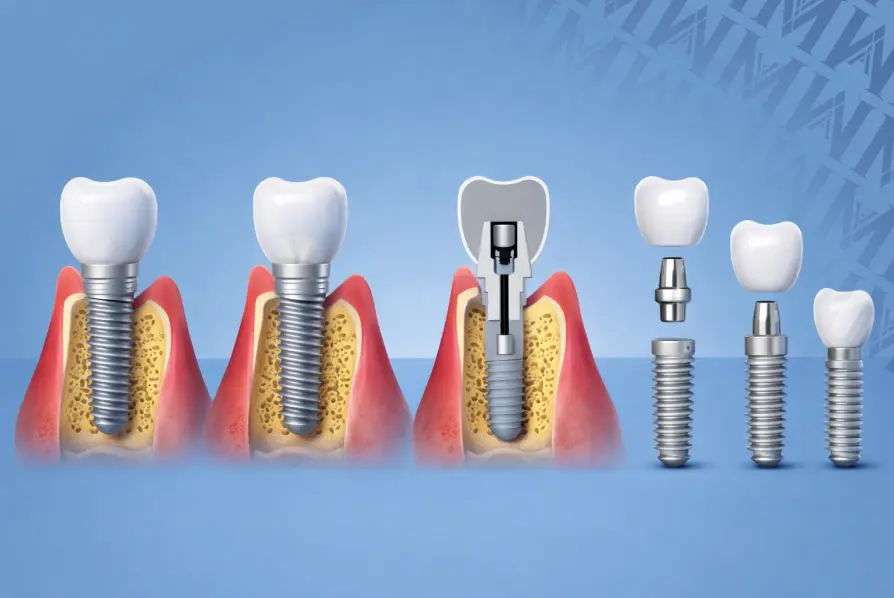
all on 4 dental implants have transformed how dentists restore full arches of missing teeth. Instead of placing six to eight individual implants, this technique uses just four strategically positioned posts to support an entire set of fixed teeth.
For patients with failing dentition or uncomfortable dentures, all on 4 offers a permanent solution that looks and functions like natural teeth. The treatment can provide same-day results, meaning you can walk into the clinic with missing or damaged teeth and leave with a complete, fixed smile.
This guide covers everything you need to know about all on 4 dental implants: how the procedure works, who qualifies, realistic costs across countries, and why thousands of patients now travel abroad for treatment. By the end, you will have the knowledge to decide if all on 4 is right for your situation.
Key points:
- all on 4 replaces a full arch of teeth using just 4 strategically angled implants, eliminating the need for bone grafting in most cases
- Same-day teeth are possible with immediate loading protocols, allowing patients to leave with a provisional fixed bridge on the day of surgery
- all on 4 costs £10,000–£25,000 in the UK compared to €1,900–€7,000 in Turkey, representing 60–70% savings
- Success rates exceed 95% when performed by qualified implant specialists using premium implant systems
- Treatment takes 3–6 months for final restoration, with immediate function from day one using provisional teeth
- Results last 20+ years with proper care, with the titanium implant posts often lasting a lifetime
What are dental implants?
Dental implants are small titanium posts placed into the jawbone to replace missing tooth roots. Over several months, they fuse with the bone in a process called osseointegration, creating a stable foundation. Once healed, an abutment connects to the implant and supports a custom crown, bridge, or full arch restoration.
For patients missing all teeth in an arch, placing individual implants for each tooth is often impractical and costly. All on 4 simplifies treatment by using just four strategically placed implants to support a full set of fixed teeth.
What are all on 4 dental implants?
All on 4 is a dental implant technique that replaces all teeth in the upper or lower jaw using four implants. A fixed bridge is attached to these implants, creating a full arch of teeth that remains permanently in place.
The technique was developed in the 1990s by Dr. Paulo Maló and later refined with Nobel Biocare. Its key innovation is angling the back implants at 30 to 45 degrees, which allows placement in stronger bone while avoiding the sinus cavity and nerves.
Traditional implant treatment often requires six to eight implants per arch and may involve bone grafting. All on 4 achieves similar stability with fewer implants and usually avoids grafting, resulting in less surgery, faster treatment, and lower costs. Because patients receive a fixed provisional bridge on the same day as surgery, the technique is often called teeth in a day.
How does all on 4 dental implants work?
The all on 4 system uses four implants placed in specific positions to maximise stability and support. Two implants are placed vertically at the front of the jaw where bone is strongest, while two are angled 30 to 45 degrees toward the back. This angled placement allows the implants to anchor in denser bone and helps avoid the sinus in the upper jaw or the main nerve in the lower jaw.
On surgery day, four implants are placed and a fixed provisional bridge is attached right away, giving you a full set of teeth, usually 10 to 14 per arch. Over the next three to six months, the implants fuse with the jawbone. Once healing is complete, the temporary bridge is replaced with a stronger, more natural looking final restoration made from zirconia or high quality acrylic.
All on 4 Dental Implants vs Single Dental Implants
All on 4 dental implants are intended for patients who need to replace all teeth in an upper or lower arch. If you still have several healthy teeth, individual implants or a bridge may be a better option, as traditional implant treatments are more suitable for replacing one or a few teeth.
| Factor | All on 4 Dental Implants | Single Dental Implants |
|---|---|---|
| Implants per arch | 4 | 6–8 |
| Bone grafting | Rarely needed | Often required |
| Treatment time | Same-day provisional teeth | 6–12 months |
| Surgery complexity | Single surgery | Often multiple surgeries |
| Cost (UK) | $$$$ | $$$$$ |
| Best for | Full arch replacement | Partial tooth loss |
All on 4 Dental Implants vs All on 6 Dental Implants
All on 6 works on the same principle as all on 4 but uses six implants instead of four. The extra implants provide greater support and distribute biting forces more evenly, which can benefit patients with larger jaws, heavy teeth grinding, or those seeking added stability. Some dentists also prefer all on 6 for the upper jaw, where bone is often softer.
From a clinical standpoint, both approaches deliver excellent results when properly planned. Success rates are similar, with the main differences being cost and surgical time, as All on 6 is usually 20 to 30 percent more expensive and involves placing two additional implants.
Your specialist will recommend the best option based on your bone quality, jaw size, and functional needs, with many patients doing well on four implants and others benefiting from the added support of six.
All on 4 Dental Implants vs Dentures
Dentures rest on the gums and rely on suction or adhesives, which can lead to slipping, discomfort, and difficulty when eating or speaking. Over time, they also allow jawbone loss because the bone is no longer stimulated.
All on 4 implants are fixed to the jawbone, preserving bone structure and providing strong, stable support. This allows you to eat confidently, bite into firm foods, speak clearly, and care for your teeth much like natural ones, making all on 4 a major upgrade in comfort and quality of life for denture wearers.
| Factor | All on 4 Dental Implants | Traditional Dentures |
|---|---|---|
| Stability | Fixed, permanent | Removable, can slip |
| Bone preservation | Stimulates jawbone | Accelerates bone loss |
| Eating ability | Full function | Limited to soft foods |
| Maintenance | Brush like natural teeth | Remove, soak, adhesives |
| Taste | Normal | Can affect taste |
| Lifespan | 20+ years | 5–7 years |
| Initial cost | Higher | Lower |
| Long-term cost | Lower | Higher with replacements |
Who is a good candidate for all on 4 Dental Implants?
Most adults with missing or failing teeth can qualify for all on 4 treatment. During your consultation, your implant specialist will assess several factors to determine if you are a suitable candidate.
Ideal all on 4 candidates typically have:
- All teeth missing in one or both arches, or teeth too damaged to save
- Current dentures causing discomfort or poor function
- Moderate bone loss that would require grafting for traditional implants
- Good general health to undergo surgery safely
- Non-smoking status, or willingness to quit before and after treatment
- Realistic expectations about the process and outcomes
- Commitment to maintaining good oral hygiene long-term
Consider alternative treatments if you have:
- Several healthy teeth that can be restored individually
- Severe uncontrolled diabetes affecting healing
- Heavy smoking habits with no intention to quit
- Active gum disease requiring treatment first
- Severely insufficient bone even for angled implant placement
- Medical conditions preventing safe surgery
Can you get all on 4 dental implants with bone loss?
Yes, all on 4 is designed to work with reduced bone volume, which is one of its main advantages. The angled back implants anchor into denser bone toward the front of the jaw, avoiding the sinus in the upper jaw and the main nerve in the lower jaw. This approach allows most patients to receive implants without needing bone grafting.
A CT scan during your consultation shows how much bone you have and where it is located, allowing your specialist to plan implant placement accurately. Many patients who would need bone grafting with traditional implants can qualify for all on 4 without grafting. If bone loss is more severe, options such as All on 6 or zygomatic implants may be recommended, depending on what best suits your anatomy.
What is the best age to get all on 4 dental implants?
There is no upper age limit for all on 4 treatment, and patients in their 70s and 80s often achieve excellent results. Overall health matters more than age, as your medical history and fitness for routine dental surgery are the key factors. While bone quality and healing may change with age, these are manageable with proper planning. For many older patients, replacing dentures with fixed teeth greatly improves comfort, nutrition, confidence, and overall quality of life.
The All on 4 Dental Implants Procedure Step by Step
Understanding the treatment process helps you prepare both mentally and practically. While every case has unique elements, most patients follow a similar journey from consultation to final restoration.
The typical all on 4 journey:
- 1. Initial consultation and treatment planning
- 2. 3D imaging and digital design
- 3. Surgery day: extractions, implant placement, provisional teeth
- 4. Healing and osseointegration (3–6 months)
- 5. Final bridge placement
- 6. Ongoing follow-up care
Consultation and Treatment Planning
Your all on 4 journey starts with a thorough evaluation. The specialist examines your mouth, reviews your medical and dental history, and discusses your goals. A 3D cone beam CT scan is used to assess bone quality and locate nerves and sinuses, allowing precise implant planning before surgery.
Many clinics use digital smile design to create a virtual preview of your new smile, allowing you to review tooth shapes and layouts and give feedback before treatment begins. The consultation concludes with a clear treatment plan outlining each step, the timeline, and the total cost, along with an itemised quote so you know exactly what to expect.
Surgery Day: What to Expect
All on 4 surgery usually takes two to four hours per arch, or about four to six hours if both arches are treated in one session. It is performed under local anaesthesia with sedation, or general anaesthesia if needed, and you will not feel pain during the procedure.
If any teeth remain, they are removed first. Using the 3D plan as a guide, the specialist places four implants, with two positioned vertically at the front and two angled toward the back. Impressions are then taken for a provisional bridge, which many clinics fabricate on site the same day.
By the end of the appointment, the temporary fixed bridge is attached, and you leave with a full set of functional, natural looking teeth suitable for smiling and eating soft foods during healing.
Healing and Osseointegration
The months after surgery are important for long term success, as the jawbone gradually fuses with the implants. For the first two to three months, a soft diet is essential to avoid stressing the implants. Foods such as soups, smoothies, scrambled eggs, soft fish, and well cooked vegetables are recommended during this healing period.
Your clinic will arrange regular check ups to monitor healing and make small adjustments to the provisional bridge as swelling reduces. These visits help ensure the implants are integrating properly.
Smoking greatly increases the risk of implant failure, as nicotine reduces blood flow and interferes with healing, so it is essential to stop smoking before surgery and remain smoke free during recovery.
Final Bridge Placement
Once healing is complete, usually after three to six months, the provisional bridge is replaced with the final restoration. New impressions or digital scans are taken to record the healed implant positions, and these are sent to a dental laboratory to create your permanent bridge.
You will choose from materials such as full zirconia, acrylic, or hybrid options based on your needs, budget, and preferences. At the fitting visit, the provisional bridge is removed and the final bridge is tried in to check fit, colour, and bite. After any adjustments, the restoration is permanently secured.
The final bridge is stronger, more natural looking, and more durable than the temporary one. Once it is in place, you can eat confidently and enjoy your new smile for many years.
All on 4 Materials and Bridge Options
The materials used for your all on 4 bridge affect appearance, durability, and cost. Understanding your options helps you make an informed decision.
| Factor | Zirconia | Acrylic/Hybrid |
|---|---|---|
| Durability | 15–20+ years | 5–10 years |
| Aesthetics | Superior, highly natural | Good |
| Weight | Heavier | Lighter |
| Repairability | Difficult, often requires replacement | Easy chairside repair |
| Stain resistance | Excellent | Moderate |
| Cost | Higher | Lower |
| Best for | Long-term final restoration | Budget-conscious patients |
Zirconia bridges represent the premium choice for all on 4 restorations. This ceramic material closely mimics natural tooth translucency and colour. Zirconia is extremely hard and resistant to staining, chipping, and wear. With proper care, zirconia bridges can last 15 to 20 years or longer.
Acrylic bridges use a metal framework with acrylic teeth and gum-coloured material. They cost significantly less than zirconia and are easier to repair if damage occurs. However, acrylic stains more easily, wears faster, and typically needs replacement after 5 to 10 years.
Hybrid bridges combine a titanium framework with acrylic components, offering a middle ground between full acrylic and full zirconia in terms of strength and cost.
Many patients start with an acrylic bridge to manage initial costs, then upgrade to zirconia after several years. Others invest in zirconia from the start for maximum longevity and aesthetics.
How much does All on 4 Dental Implants cost?
All on 4 costs vary significantly by country, clinic, and material choices. Understanding typical price ranges helps you budget appropriately and evaluate whether treatment abroad offers meaningful savings.
| All on 4 Treatment | Turkey | UK | USA |
|---|---|---|---|
| Single arch | €1,900–€7,000 | £10,000–£25,000 | $15,000–$35,000 |
| Full mouth, both arches | €3,800–€14,000 |
£20,000–£50,000 |
$30,000–$80,000 |
All on 4 Dental Implants Cost in the UK
In the UK, all on 4 treatment is a major investment. A single arch with an acrylic bridge usually costs £10,000 to £15,000, while zirconia options range from £15,000 to £25,000 per arch. Full mouth treatment typically costs £20,000 to £50,000 or more, with London clinics charging 20 to 40 percent higher than regional practices due to higher operating costs.
The NHS does not cover dental implants, as they are classed as cosmetic treatment. Private dental insurance rarely covers all on 4 implants, although some policies may offer partial contributions. Most patients pay out of pocket, with many clinics providing finance options to spread the cost over monthly payments.
All on 4 Dental Implants Cost in the USA
American patients typically face the highest all on 4 costs worldwide. A single arch usually ranges from $15,000 to $35,000, while full mouth treatment can reach $50,000 to $80,000 at premium clinics.
Prices are highest in major cities such as New York, Los Angeles, and San Francisco, often 30 to 50 percent above national averages, making all on 4 a significant financial commitment even in lower cost regions.
Dental insurance offers little support, as implants are usually considered elective and annual limits of $1,500 to $2,000 cover only a small portion of the cost. As a result, many American patients rely on financing options such as CareCredit or consider dental tourism for more affordable treatment.
All on 4 Dental Implants Cost in Turkey
Turkey has become a popular destination for all on 4 treatment, offering savings of 60 to 70 percent compared to UK and US prices while using the same premium implant brands. A single arch typically starts at around €1,900 and can reach €7,000 depending on the implant brand, with zirconia bridges usually ranging from €4,500 to €7,000 per arch.
These lower prices are due to reduced operating costs, favourable exchange rates, and high patient volumes, not lower quality. Turkish clinics use the same internationally recognised implant systems and materials as Western practices.
Many clinics offer all inclusive packages that cover treatment, airport transfers, hotel accommodation, and sometimes city tours. This approach simplifies budgeting and offers strong overall value for international patients.
How long do all on 4 dental implants last?
All on 4 is a long term investment in oral health, providing many years of function and aesthetics with proper care. Once integrated, the titanium implants can last a lifetime, as titanium is biocompatible and does not decay. Long term studies show implants continuing to function well for 20 to 25 years when properly maintained.
All on 4 treatment has a high success rate, exceeding 95 percent at 10 years when performed by experienced specialists. Studies typically report success rates between 94 and 98 percent, with slightly better outcomes in the lower jaw than the upper jaw.
Factors Affecting All on 4 Dental Implants' Longevity
Several factors within your control significantly impact how long your all on 4 restoration lasts.
- Maintain excellent oral hygiene: Clean daily around and under the bridge to prevent infection and bone loss.
- Avoid smoking: Smoking significantly increases implant failure risk and should be stopped for long term success.
- Protect against grinding: If you grind your teeth, a custom night guard helps protect the implants and bridge.
- Attend regular check ups: Six monthly dental visits allow early detection of issues and professional cleaning.
- Be mindful of habits: Avoid biting very hard objects or using your teeth as tools to prevent damage.
Signs Your All on 4 Dental Implants Needs Attention
Contact your dental provider if you notice any of these warning signs:
- Looseness or movement in the bridge
- Pain or discomfort around any implant
- Swelling, redness, or bleeding at the gum line
- Visible chips or cracks in the bridge
- Changes in how your bite feels
- Difficulty chewing that was not present before
- Persistent bad breath despite good hygiene
Early intervention often resolves problems before they become serious. Delaying treatment can allow minor issues to progress into implant-threatening complications.
What to Expect After All on 4 Surgery
Understanding the recovery process helps you prepare and recognise what is normal. The first few days after surgery usually bring the most noticeable symptoms, with swelling peaking around days two to three and then gradually improving over the next week. Bruising around the jaw or neck is common and typically fades within 10 to 14 days.
Pain is usually moderate and well controlled with medication, and many patients find it less severe than expected. After the first few days, over the counter pain relievers are often enough to manage any discomfort.
During the first two weeks:
- Follow a liquid and very soft food diet
- Apply ice packs to reduce swelling (20 minutes on, 20 minutes off)
- Sleep with your head elevated on extra pillows
- Avoid strenuous physical activity
- Do not smoke under any circumstances
- Take all prescribed medications as directed
- Rinse gently with saltwater or prescribed mouthwash
Most patients feel well enough to return to desk work within three to five days. Physical jobs may require a week or more off.
After the initial recovery, the priority is protecting the implants while they fuse with the bone. Your diet can gradually include soft solid foods such as pasta, fish, cooked vegetables, and soft bread, while avoiding hard, chewy, or sticky items.
Regular follow up visits allow your specialist to monitor healing and adjust the provisional bridge as tissues settle. Smoking should be avoided throughout this period, as it can interfere with healing and increase the risk of implant failure.
Long-term Care for All on 4 Dental Implants
Once healed, your all on 4 restoration requires consistent daily care and regular professional maintenance.
Daily cleaning routine:
- Brush the bridge twice daily with a soft-bristled brush
- Clean under and around the bridge where it meets the gums
- Use a water flosser to flush debris from beneath the restoration
- Interdental brushes help clean between implant connections
- Antimicrobial mouthwash reduces bacterial buildup
Professional care:
- Dental check-ups every six months
- Professional cleaning to remove calculus and plaque you cannot reach
- Periodic X-rays to monitor bone levels around implants
- Annual assessment of bridge condition and fit
Protective measures:
- Wear a night guard if you grind your teeth
- Avoid chewing ice, hard sweets, or non-food objects
- Do not use your teeth to open packages or bottles
All on 4 Dental Implants Risks and Complications
all on 4 is a safe and predictable procedure with high success rates. However, like any surgery, potential complications exist. Understanding these risks helps you make an informed decision and recognise problems early if they occur.
Common effects during recovery (usually temporary):
- Swelling and bruising around the jaw
- Moderate pain and discomfort
- Temporary numbness in the lip or chin
- Minor bleeding at surgical sites
- Difficulty eating during soft diet phase
These effects are normal parts of healing and resolve as recovery progresses.
Less common complications:
- Implant failure occurs in approximately 3 to 5 percent of cases. The implant fails to integrate with the bone and becomes loose. Failed implants can often be replaced after a healing period.
- Infection at the surgical site is treatable with antibiotics if caught early. Signs include increasing pain, swelling, or discharge after the initial healing period.
- Nerve damage can cause prolonged numbness or tingling in the lip, chin, or tongue. Proper 3D planning minimises this risk, and most cases resolve within weeks to months.
- Sinus complications may occur with upper jaw implants if the sinus membrane is perforated. Experienced surgeons using proper imaging rarely encounter this issue.
- Peri-implantitis is a long-term infection around implants, similar to gum disease. It develops slowly when oral hygiene is neglected and can lead to bone loss and eventual implant failure.
- Bridge fracture occurs more commonly with acrylic than zirconia. Small chips can sometimes be repaired, while significant damage may require bridge replacement.
The most important factor in avoiding complications is choosing an experienced implant specialist. Surgeons who place hundreds of implants annually develop skills and judgment that reduce complication rates.
Follow all pre-operative and post-operative instructions carefully. Quit smoking if you have not already. Maintain excellent oral hygiene from day one. Attend all follow-up appointments even if everything seems fine.
Are all on 4 dental implants worth it?
The quality of life improvement with all on 4 is often dramatic. Patients commonly regain confidence to smile, speak, and eat comfortably, turning everyday social situations into positive experiences again.
While the upfront cost is higher, the long term value is strong, especially with zirconia restorations that can last around 20 years and cost far less per year than ongoing denture expenses.
When considering the functional, aesthetic, and emotional benefits, many patients find all on 4 to be a life changing investment that clearly outweighs its cost.
| Advantages | Disadvantages |
|---|---|
| Permanent, fixed teeth that feel natural | Higher initial cost than dentures |
| Same-day results with immediate function | Requires surgery with recovery period |
| Preserves jawbone, prevents facial collapse | Full healing takes 3–6 months |
| Restores complete chewing ability | Irreversible once completed |
| No adhesives, removal, or special cleaning | Requires commitment to daily hygiene |
| Natural appearance, confident smile | Not suitable for all patients |
| Long-lasting results (20+ years) | Bridge may need replacement eventually |
All on 4 Dental Implants Abroad: Is Turkey a good option?
Turkey has become a leading destination for all on 4 treatment, attracting patients from the UK, Europe, and beyond. The combination of significant cost savings and high-quality care makes it an attractive option for many.
Why patients choose Turkey for all on 4:
- Significant cost savings: Patients often save 60 to 70 percent compared to UK prices, even after travel and accommodation.
- Same premium implant brands: Reputable clinics use internationally trusted systems such as Nobel Biocare, Straumann, and Megagen.
- Modern, accredited clinics: Many centres meet international standards, with advanced imaging, CAD CAM technology, and in house laboratories.
- Highly experienced surgeons: High patient volumes allow Turkish specialists to develop extensive expertise and consistent results.
- All inclusive treatment packages: Treatment, transfers, accommodation, and sometimes city tours are bundled into clear, upfront pricing.