
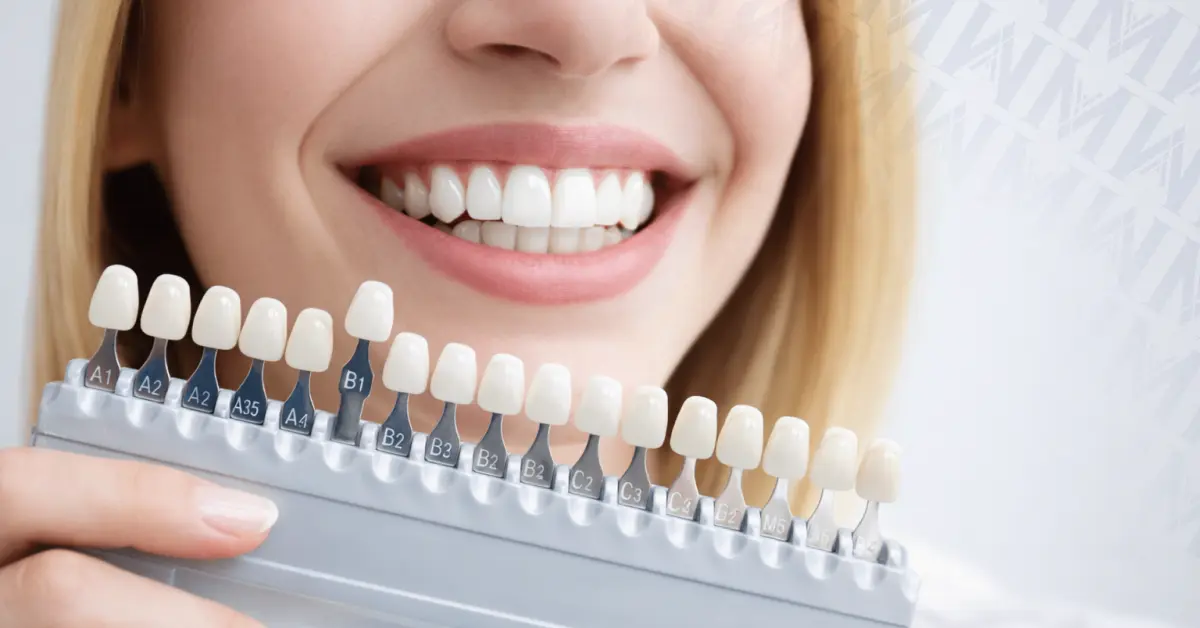
Teeth whitening is the most requested cosmetic dental treatment worldwide. Whether your teeth have yellowed from years of coffee and tea, darkened with age, or accumulated stains from smoking, professional whitening offers a fast and effective way to restore brightness and confidence to your smile.
Unlike over-the-counter strips and whitening toothpastes that deliver modest results over weeks, professional teeth whitening can lighten your teeth by several shades in a single session. The treatment is non-invasive, requires no permanent changes to your teeth, and provides results that last months to years with proper care.
This guide covers everything you need to know about teeth whitening: the different methods available, what the procedure involves, realistic costs across the UK, USA, and Turkey, and how to decide if whitening is the right choice for your goals. By the end, you will have the knowledge to make confident decisions about brightening your smile.
Key points:
- Professional teeth whitening brightens teeth 2-8 shades in a single 60-90 minute session using concentrated bleaching agents
- In-office whitening costs €100-€300 in Turkey, representing 60-70% savings
- Results last 6 months to 3 years depending on lifestyle habits, diet, and maintenance
- Hydrogen peroxide and carbamide peroxide are the active whitening agents, with professional concentrations far exceeding at-home products
- Sensitivity is the most common side effect, typically temporary and manageable with desensitising treatments
- Whitening only works on natural teeth — crowns, veneers, and fillings do not respond to bleaching agents
What is teeth whitening?
Teeth whitening is a cosmetic dental procedure that uses bleaching agents to remove stains and lighten the natural colour of your teeth. The treatment targets discolouration caused by food, drinks, smoking, certain medications, and natural ageing.
Professional whitening is different from over the counter products in several key ways. Dentists use stronger whitening agents, protect your gums, and tailor the treatment to your needs. This leads to faster results that are more noticeable and last longer than over-the-counter options.
It’s important to know the difference between dental cleaning and whitening. A professional dental cleaning removes plaque and tartar from the surface, making teeth look brighter by revealing their natural colour. Whitening goes further by using a chemical process to lighten the internal colour of the tooth.
Tooth stains fall into two main types. Extrinsic stains sit on the outer enamel and come from coffee, red wine, and tobacco. These usually respond well to whitening. Intrinsic stains are deeper within the tooth and can be caused by medications, injury, or excessive fluoride exposure during tooth development. These stains are more challenging to treat and may not fully whiten.
How does teeth whitening work?
The science behind teeth whitening is simple. The active ingredients in whitening products are hydrogen peroxide or carbamide peroxide. These ingredients pass through the enamel and reach stains inside the tooth.
The peroxide breaks the stain molecules into smaller parts, which helps the tooth reflect more light and look whiter. The enamel is not damaged or removed. Only the stains are affected.
Professional whitening uses 15 to 40% hydrogen peroxide, compared to 3 to 10% in over-the-counter products. The higher strength gives faster and more visible results, which is why one professional session can match weeks of home treatment.
Some systems use light or laser to speed up whitening, but research shows the gel does most of the work. Light mainly shortens treatment time and does not significantly improve final results.
Professional whitening vs at-home whitening vs whitening toothpaste
Professional in-office whitening is best for patients who want fast, noticeable results and are willing to pay more. The dentist controls the treatment to ensure safety and the best outcome.
Dentist-supervised take-home kits offer a balanced option. You use custom trays and professional gel at home over several weeks. Results are slower but still much better than shop-bought products.
Whitening toothpastes and strips are mainly for small touch-ups or maintaining results after professional treatment. They cannot produce major colour changes on their own.
| Factor | Professional (In-Office) | At-Home (Dentist-Supervised) | OTC Products |
|---|---|---|---|
| Concentration | 15-40% hydrogen peroxide | 10-22% carbamide peroxide | 3-10% hydrogen peroxide |
| Results | 2-8 shades lighter | 2-4 shades lighter | 1-2 shades lighter |
| Time to Results | 1 session (60-90 mins) | 2-4 weeks | 4-12 weeks |
| Duration of Results | 1-3 years | 6-12 months | 1-3 months |
| Cost | $$$ | $$ | $ |
| Supervision | Dentist-administered | Dentist-prescribed | Self-administered |
| Custom Fit | Yes | Yes (custom trays) | No |
| Sensitivity Risk | Moderate (managed) | Low-moderate | Low |
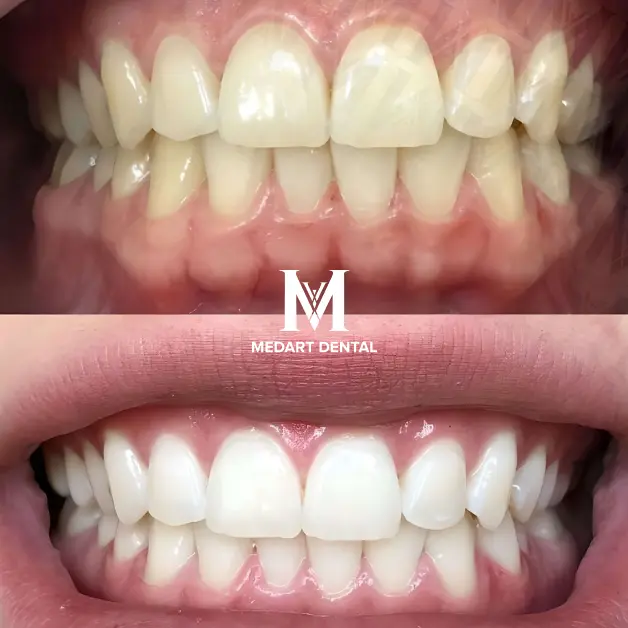
Types of professional teeth whitening
Professional teeth whitening is available in several forms. All use peroxide-based agents but differ in how they are applied and activated. Your dentist will recommend the best option based on your tooth colour, sensitivity, and desired results.
| Whitening Type | Treatment Time | Shades Lighter | Best For | Cost Range |
|---|---|---|---|---|
| In-Office (Standard) | 60-90 mins | 3-8 shades | Fast, dramatic results | $$$ |
| Laser Whitening | 45-60 mins | 3-8 shades | Speed, precision | $$$$ |
| LED/Light-Accelerated | 60-90 mins | 3-8 shades | Enhanced activation | $$$ |
| Take-Home Trays | 2-4 weeks | 2-4 shades | Gradual, controlled results | $$ |
| Combined Treatment | Varies | 4-8 shades | Maximum results | $$$$ |
In-office teeth whitening
In-office whitening, also known as chairside bleaching, is the most common professional teeth whitening method. The treatment is done in one dental visit and usually takes 60 to 90 minutes.
The dentist applies a strong whitening gel, often 25 to 40 percent hydrogen peroxide, directly to the teeth. A protective barrier is placed on the gums first to prevent irritation.
The gel stays on the teeth for 15 to 20 minutes, then is removed and reapplied. Most treatments include two to four cycles. Some systems use a light to activate the gel, while others rely on the gel alone.
Results are visible right away, with the final shade settling within 24 to 48 hours as the teeth rehydrate. In-office whitening is the fastest way to achieve clear, proven results.
Laser teeth whitening
Laser teeth whitening uses a focused laser to activate the whitening gel and speed up the process. It works in a similar way to standard in-office whitening, but the laser delivers more targeted energy to the gel. The procedure usually lasts 45 to 60 minutes, which is slightly shorter than a standard in-office session.
Research shows that laser and non-laser whitening produce similar final results. The whitening gel and its strength matter more than how it is activated. Laser whitening costs more because of the equipment, but this does not always mean better or significantly faster results.
Patients who want the latest technology may prefer to choose laser whitening. Those who focus on results can achieve the same improvement with standard in-office whitening at a lower cost.
LED teeth whitening
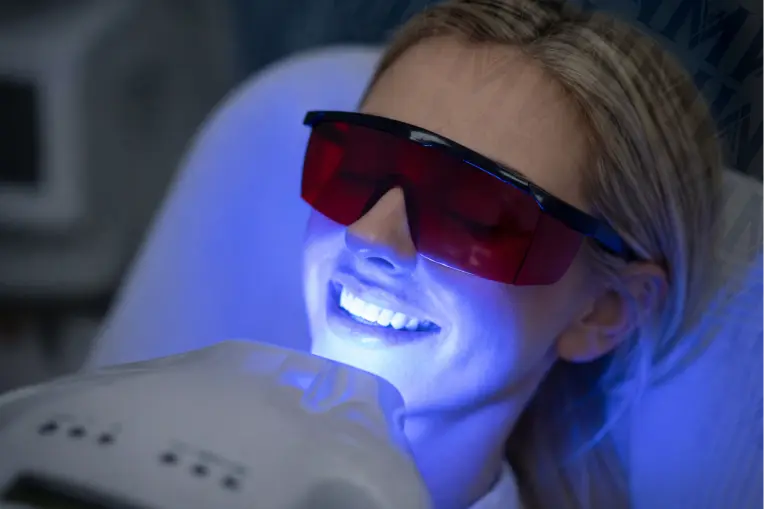
LED teeth whitening uses blue LED light to speed up the whitening process. The light creates mild heat that helps activate the hydrogen peroxide and break down stains faster.
This method is popular in dental clinics and in some home devices. Many clinics now include LED activation as part of their in-office whitening treatment.
The evidence on LED whitening results is mixed. Some studies show small benefits, while others find no clear difference compared to using gel alone. What is clear is that LED whitening is safe when used correctly and does not harm teeth or gums.
In clinics, LED activation is often included at no extra cost. Home LED devices are weaker and should be seen as a supplement and maintenance option, not a replacement, for in office teeth whitening treatment.
Take-home whitening kits (dentist-supervised)
Dentist-prescribed take-home whitening kits offer professional results with the comfort of home use.
Your dentist takes impressions of your teeth to make custom trays that fit precisely. The custom trays come with professional-strength whitening gel, usually 10 to 22 percent carbamide peroxide. The gel is placed in the trays and worn each day for 30 minutes to overnight, depending on the product and your sensitivity.
Results appear gradually over two to four weeks as the gel whitens the teeth. While slower than in-office treatment, take-home kits have clear benefits. The lower strength gel often causes less sensitivity. Custom trays provide even coverage and keep the gel off the gums. The trays can also be reused for future touch-ups.
Take-home kits are especially useful for maintaining results after in-office whitening. Many patients keep their trays and buy extra gel to use when their teeth start to lose brightness.
Combination whitening treatments
For the best whitening results, many dentists suggest a combination approach. This usually starts with an in-office treatment for fast, noticeable improvement, followed by take-home trays for ongoing whitening and maintenance.
The in-office session delivers several shade changes in one visit. The take-home trays then continue the process more gently, helping achieve even lighter results over the next few weeks.
This approach works especially well for stubborn stains or for patients who want the brightest results. It also creates a built-in maintenance plan, since the custom trays can be used for touch-ups in the future.
Combination treatments are popular at dental tourism clinics, where patients complete the in-office session during their visit and continue whitening at home. This helps maximise the value of the trip while maintaining long-term results.
Who is a good candidate for teeth whitening?
Most adults with healthy teeth and gums are good candidates for professional teeth whitening. During your consultation, the dentist checks your teeth and discusses your goals to decide if whitening is suitable and what results you can expect.
Ideal candidates typically have:
- Yellow or brown staining from food, drinks, or tobacco
- Age-related darkening of teeth
- Healthy teeth without untreated decay
- Healthy gums without active periodontal disease
- No extreme sensitivity issues
- Realistic expectations about achievable results
- Predominantly natural teeth without extensive restorations
Who should avoid teeth whitening or consider alternatives?
Teeth whitening may not work for you if you have the following conditions:
- Grey or blue stains: Often caused by tetracycline antibiotics during tooth development. These stains do not respond well to whitening and may require veneers.
- White spots on teeth: Caused by fluorosis or enamel damage. They may look more noticeable at first and do not always blend in evenly after whitening.
- Existing dental work: Crowns, veneers, and tooth-coloured fillings do not change colour. Whitening natural teeth may create shade differences that require replacing restorations.
- Pregnancy or breastfeeding: Whitening is usually delayed as a precaution.
- Severe tooth sensitivity: Desensitising treatment may be needed before whitening.
- Active gum disease: Must be treated first, as whitening gel can irritate inflamed gums.
- Untreated cavities: Should be filled before whitening to prevent peroxide from entering damaged tooth areas.
The teeth whitening procedure step by step
Knowing what happens during whitening helps you feel prepared and set realistic expectations. The procedure is simple, non-invasive, and usually completed in one appointment with no recovery time needed.
The typical teeth whitening journey:
- Consultation: Examination, shade assessment, and treatment planning
- Cleaning: Professional clean to remove surface deposits
- Preparation: Gum protection and cheek retractors applied
- Gel Application: Whitening agent applied to teeth
- Activation: Light or laser activation if used (15–20 minute cycles)
- Repeat: Multiple applications as needed
- Final Rinse: Gel removed, results assessed
- Aftercare: Post-treatment instructions provided
Initial consultation and shade assessment
Your teeth whitening journey starts with a full consultation. The dentist checks your teeth and gums for any issues, such as cavities or gum irritation, that need treatment first. A shade guide is used to record your current tooth colour, creating a clear starting point.
Your dentist then explains what results are realistically achievable based on your tooth colour and the type of stains. This is also when you discuss any tooth sensitivity. If you have sensitive teeth, the dentist may suggest using a desensitising toothpaste for two weeks before treatment or adjusting the whitening plan.
The consultation ends with a clear plan that explains the method, expected results, timeline, and cost. You can ask questions and make sure you know what to expect.
The in-office teeth whitening session
A typical in-office teeth whitening visit lasts 60 to 90 minutes. The treatment is comfortable, and most patients find it easier than expected.
Once you are seated, the dentist or hygienist places a cheek retractor to keep your lips away from your teeth and the treatment area dry. A protective barrier is then placed on your gums to prevent the whitening gel from contacting them.
Once your gums are protected, the whitening gel is applied to the front of your teeth. If light activation is used, an LED or laser is placed in front of your mouth and switched on. Each cycle lasts 15 to 20 minutes.
During this time, you can relax, listen to music, or use your phone. The gel is then removed and replaced with a fresh layer. Most treatments include two to four cycles.
After the final cycle, the whitening gel is fully rinsed away, and the protective barriers on the gums are removed. Your dentist then compares your new tooth colour with the starting shade to record the improvement. Results are visible right away, with the final shade settling over the next one to two days as your teeth rehydrate.
Take-home tray fitting (if applicable)
If your plan includes take-home trays, impressions of your teeth are taken during the visit. Some clinics use dental putty, while others use digital scanners for more accurate results.
The impressions are used to make custom whitening trays that fit your teeth closely. These are usually ready within a few days to one week. At the fitting visit, the dentist checks the fit and shows you how much gel to use and where to place it.
You will receive clear instructions on how long and how often to wear the trays. Some gels are used for 30 minutes a day, while others are worn overnight. Following these instructions helps achieve the best results while avoiding sensitivity.
How much does teeth whitening cost?
Teeth whitening costs vary by method, clinic location, and whether it is done alone or as part of a smile makeover. Knowing typical price ranges helps you plan your budget and decide if dental tourism offers real savings.
| Whitening Treatment | Turkey | UK | USA |
|---|---|---|---|
| In-Office (Standard) | €100-€300 | £400-£800 | $500-$1,000 |
| Laser Whitening | €150-€350 | £600-£1,000 | $800-$1,500 |
| Take-Home Trays | €80-€150 | £250-£500 | $300-$600 |
| Combined Treatment | €200-€450 | £500-£1,000 | $700-$1,200 |
Teeth whitening costs in the UK
In the UK, teeth whitening is a private cosmetic treatment and is not covered by the NHS. Prices vary by location, with London clinics often charging 20 to 40 percent more. Dental insurance rarely covers whitening, though some clinics offer payment plans.
Whitening is only legal when done by a registered dental professional, so avoid salons or kiosks and choose a qualified dentist or supervised hygienist.
| Treatment Type | Average UK Cost |
|---|---|
| In-office whitening | £400-£800 |
| Laser whitening | £600-£1,000 |
| Take-home trays | £250-£500 |
Teeth whitening costs in the USA
Teeth whitening in the USA is among the most expensive worldwide. Prices vary by state and city, with major areas like New York and Los Angeles often charging 30 to 50 percent more than average. High-end clinics may charge over $1,500 for one session.
Insurance does not cover whitening, so patients pay out of pocket. Financing options exist but add extra cost. Because of this, many Americans consider dental tourism to save money.
| Treatment Type | Average USA Cost |
|---|---|
| In-office whitening | $500-$1,000 |
| Laser whitening | $800-$1,500 |
| Take-home trays | $300-$600 |
Teeth whitening costs in Turkey
Turkey is a leading destination for dental tourism, including teeth whitening. Patients often save 60 to 70 percent compared to UK and US prices while using the same professional products. Lower costs are due to reduced expenses and exchange rates, not lower quality.
| Treatment Type | Turkey Cost | Typical Savings |
|---|---|---|
| In-office whitening | €100-€300 | 65-75% |
| Laser whitening | €150-€350 | 70-80% |
| Take-home trays | €80-€150 | 60-70% |
Whitening is often combined with treatments like veneers or Hollywood smile makeovers to maximise results. Many clinics offer all-inclusive packages that include treatment, transfers, and hotel stays, making planning and budgeting easier.
What's included in teeth whitening pricing?
When comparing quotes, check exactly what is included. A full whitening price should cover the consultation, shade check, any needed cleaning, gum protection, whitening gel and applications, light or laser use if included, final shade check, and aftercare advice.
Some clinics advertise low prices but add extra fees later. Others offer clear all-inclusive pricing. Always ask for a full breakdown, whether touch-ups or take-home kits are included, and what happens if you are unhappy with the results.
Is teeth whitening worth it?
The value of teeth whitening depends on your goals, the level of staining, and your expectations. For many people, the confidence gained from a brighter smile makes it worthwhile.
Whitening also offers strong value compared to other cosmetic treatments. If colour is your main concern, whitening is far less expensive than veneers or crowns and does not permanently change your teeth. Many people feel more confident socially and professionally after treatment.
Realistic expectations are important. Yellow and brown stains usually respond well, while grey stains from medication or injury are harder to treat. Your dentist can explain what results are possible during your consultation.
| Advantages of Teeth Whitening | Disadvantages of Teeth Whitening |
|---|---|
| Fast, visible results in one session | Results not permanent, maintenance required |
| Non-invasive, no tooth structure removed | Temporary sensitivity is common |
| Significantly boosts smile confidence | Cannot whiten restorations (crowns, veneers, fillings) |
| More affordable than veneers or crowns | Some stains do not respond well to whitening |
| Safe when professionally administered | Overuse can damage enamel |
| Can be maintained with take-home products | Not suitable for everyone |
| Reversible, no permanent changes | Grey or blue stains often resistant |
How long does teeth whitening last?
Teeth whitening results are not permanent, but with proper care, they can last from several months to several years. The longevity of your results depends largely on your lifestyle habits and commitment to maintenance.
Expected longevity by treatment type:
- In-office whitening: 1-3 years with proper care
- Take-home trays: 6-12 months
- OTC products: 1-3 months
Several everyday habits affect how long the teeth whitening effect lasts. Diet is one of the biggest factors. Drinks and foods like coffee, tea, red wine, cola, berries, tomato sauce, curry, and soy sauce can stain teeth over time. You do not need to avoid them completely, but moderation and rinsing your mouth after eating or drinking helps.
Tobacco causes fast re-staining. Smoking or chewing tobacco quickly dulls whitening results, often within months. Good oral hygiene also matters. Brushing twice a day and flossing regularly removes surface stains before they settle.
Maintenance makes a big difference. Using take-home trays for touch-ups every few months helps keep teeth white without repeating the full treatment. Personal factors also play a role. Some people’s teeth stain faster due to enamel type or age, with older teeth often yellowing more quickly.
Maintaining teeth whitening results
The first 48 hours after whitening are the most important. During this time, the teeth are dehydrated from the treatment and can absorb liquids and stains like a sponge.
Follow a “sad beige” diet for the first 48 hours with foods like plain chicken, fish, rice, pasta, cauliflower, and bananas. Avoid coffee, tea, red wine, berries, and dark foods or drinks.
After this period, you can return to your normal diet while being mindful of stains. Using a straw for coffee or tea and rinsing your mouth with water after having dark foods can help protect your results.
Use a whitening toothpaste daily to help remove surface stains and maintain your results. Visit your dentist every six months for professional cleanings, which remove plaque and keep your smile bright.
If you have custom trays, keep them. A few touch-up sessions with fresh gel can restore your colour without needing another in-office treatment.
What to expect after teeth whitening
Teeth whitening results are visible immediately, though there is a short settling phase. Teeth may look very bright at first, but this usually softens within 24 to 48 hours as they rehydrate. During whitening, enamel loses some moisture, which temporarily makes teeth appear lighter than the final shade.
Some sensitivity after whitening is normal. Teeth may feel sensitive to cold for a day or two because the peroxide temporarily affects the tooth nerves. This usually settles on its own. Gums may also feel slightly sore if gel touches the soft tissue, but this irritation is mild and often fades within a few hours.
For the first 48 hours, follow the “sad beige” diet closely. This is when teeth stain most easily. Avoid coloured drinks such as coffee, tea, red wine, cola, and fruit juices. Skip tomato sauce, berries, curry, soy sauce, and other dark foods. Do not smoke.
Managing sensitivity after whitening
Sensitivity is the most common side effect of whitening and affects many patients. For most people, it is mild and short-lived. If sensitivity is a concern, using a toothpaste for sensitivity for two weeks before treatment can help. Toothpastes with potassium nitrate reduce nerve discomfort and may be recommended if you have sensitive teeth.
After treatment, keep using sensitive toothpaste. Avoid very hot or cold foods and drinks for a few days, as sensitivity usually fades within two to three days. Choose room-temperature drinks for comfort. If needed, mild pain relievers like ibuprofen can help. Some dentists also apply a calming treatment after whitening to reduce sensitivity.
If sensitivity is intense or lasts longer than a week, contact your dentist. This is uncommon, but you may need additional desensitising treatment or an underlying issue that requires care.
Long-term care after teeth whitening
After the first 48 hours, you can return to your regular diet, but be mindful of stains. Keep up good oral hygiene. Brush twice a day with a soft brush and a whitening or sensitivity toothpaste. Floss daily to remove stains between teeth. An electric toothbrush can also help remove surface stains more effectively.
Be mindful of staining habits. You do not need to give up coffee or wine, but small changes help. Using a straw, rinsing with water, or brushing within 30 minutes can reduce stains. If you smoke, whitening results will fade faster unless you cut back or quit. Many people find that having whiter teeth motivates them to stop smoking.
Plan for touch-ups. If you have take-home trays, allow for occasional gel refills. If you only had in-office whitening, you may need a touch-up every one to three years, depending on your habits and results.
Teeth whitening risks and side effects
Professional teeth whitening is one of the safest cosmetic dental treatments. When done by a qualified dentist using proper products, serious problems are rare. Knowing the possible side effects helps you feel prepared and know when to seek advice.
- Tooth sensitivity: The most common side effect. Teeth may feel sensitive to cold or heat for 24 to 72 hours. Sensitive toothpaste and calming treatments help reduce discomfort.
- Gum irritation: Can occur if the whitening gel touches the gums. This may cause mild soreness, white patches, or redness. It usually clears within hours or days and causes no lasting damage.
- Uneven whitening: Some teeth whiten faster than others. Crowns, veneers, and fillings do not change colour. Extra sessions or replacing restorations may be needed for a uniform look.
- Enamel damage from misuse: Damage can occur from overuse or improper application. Following professional guidance prevents this risk.
- Temporary white spots: Existing white spots may look more visible right after whitening. They often blend in as teeth settle, but this is not guaranteed.
- Limited results in some cases: Grey stains, medication-related stains, or very dark teeth may not respond well. A consultation helps set expectations, but results can vary.
Contact your dentist if you experience:
- Severe or prolonged pain lasting more than a few days
- Extreme sensitivity that does not improve within a week
- Visible gum damage or chemical burns
- Signs of allergic reaction
- Results significantly different than discussed during consultation
Teeth whitening abroad: Is Turkey a good option?
Turkey is one of the world’s top dental tourism destinations, treating hundreds of thousands of international patients each year. While whitening alone may not justify travel, it becomes appealing when combined with other cosmetic treatments.
Patients choose Turkey mainly for cost savings, with whitening priced 60 to 70 percent lower than in the UK and USA while using the same professional products. Reputable clinics use trusted systems, the same brands used by dentists worldwide.
Modern dental clinics in Turkey match or exceed Western standards. They use advanced technology, including digital imaging and modern whitening systems. Turkish dentists also gain strong experience from high patient volumes. A busy Istanbul clinic may perform more whitening treatments in a month than some UK clinics do in a year.
All-inclusive packages make dental tourism simple. Whitening, airport transfers, hotel stays, and sometimes city tours are included in one clear price, so you know the total cost before you travel.
Combining teeth whitening with other treatments
Teeth whitening in Turkey is most worthwhile when combined with other cosmetic dental treatments. Patients getting veneers, crowns, or a full Hollywood smile makeover often include whitening in their plan.
The order is important. Whitening should always be done first, since restorations cannot be whitened later. This allows new crowns or veneers to be matched to your brighter natural tooth colour.
For patients getting veneers on some teeth, all natural teeth are whitened first. After the colour settles over a few days, veneers are prepared and matched to the new shade. This creates a natural, even result.
Many Turkish clinics are skilled in this process for international patients. Treatment plans are often designed for visits of five to ten days, with whitening done early and restorations completed later.
Dentists use approved whitening gels and protect your gums during treatment. Temporary sensitivity is common but usually fades quickly. DIY or salon whitening can be riskier because they lack dental checks and professional supervision.
How long it lasts depends on your habits, such as diet, smoking, and oral care. Coffee, tea, and red wine can stain teeth faster. Using take-home trays for touch-ups every 6–12 months can help the results last much longer.
Some people may feel short-term sensitivity to hot or cold during or after treatment, which often lasts 24–72 hours. Using a sensitivity toothpaste and avoiding very hot or cold foods can help. Most patients find the treatment more comfortable than they expect.
In Turkey, professional dental treatments are available with 60–70% savings compared to the US and the UK while using the same professional products.
Whitening products only work on natural tooth enamel, not on dental restorations. If you are planning veneers or crowns, it’s best to whiten your natural teeth first so they can be matched to the new shade. Existing restorations may need to be replaced if the colour difference becomes noticeable.
Results depend on your natural tooth colour, the type of stains, and the whitening method used. Yellow and brown stains respond best, while grey stains from some medicines are harder to treat. Your dentist will explain what results you can expect during your consultation.
Studies show that laser and standard in-office whitening give similar final results. Laser treatments may be a bit faster but usually cost more. What matters most is the strength of the whitening gel, not the use of a laser. Both are safe and effective professional options.
Teeth may dry out for a short time during treatment, but this usually goes away within 24–48 hours as they rehydrate. Using whitening too often or the wrong way can cause damage, which is why dentist guidance is safer than frequent home use or unapproved products.
Touch-ups using dentist-provided take-home trays can be done every 6–12 months as needed between professional treatments. Over-whitening may cause ongoing sensitivity and enamel damage, so your dentist will recommend a safe frequency based on your individual needs and results.
Choose accredited clinics with verified credentials, before-and-after photos, and patient reviews. Turkish dental clinics use the same professional whitening products as those in the UK and US, and many dentists are internationally trained with high patient volumes.
