
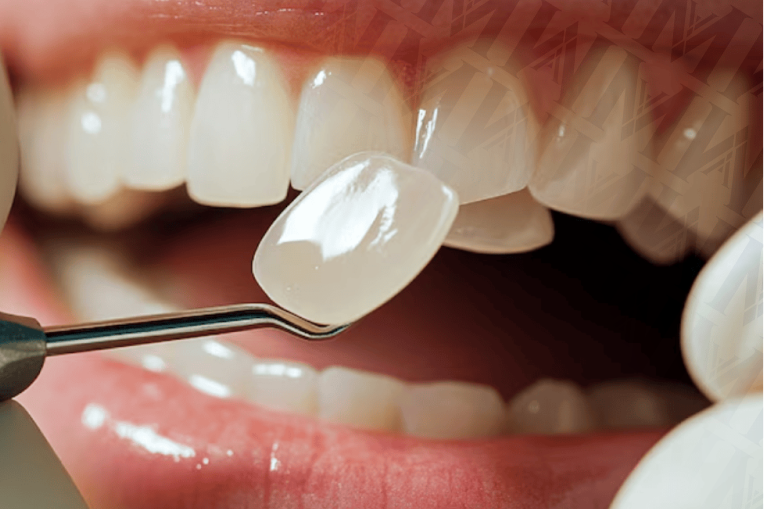
Veneers have become the most popular cosmetic dentistry treatment for transforming smiles. Whether you have stained teeth that resist whitening, chips and cracks that affect your confidence, or gaps you want to close without braces, veneers offer a fast and effective solution that looks completely natural.
This guide covers everything you need to know about dental veneers: the different types available, what the procedure involves, realistic costs across the UK, USA, and Turkey, and how to decide if veneers are the right choice for your smile goals. By the end, you'll have the knowledge to make confident decisions about your cosmetic dental treatment.
Key points:
- Dental veneers are thin custom shells bonded to the front surface of teeth to correct chips, stains, gaps, and minor misalignment
- Porcelain and E-Max veneers last 10-20 years with proper care; composite veneers typically last 5-7 years
- A single veneer costs £800-£1,500 in the UK compared to £150-£350 in Turkey, representing 60-80% savings
- E-Max veneers offer the most natural translucency for front teeth, while zirconia provides maximum strength for grinders
- Most patients complete treatment in 5-7 days, with Turkey clinics offering all-inclusive packages covering accommodation and transfers
- The procedure requires 0.3-0.8mm enamel removal, making traditional veneers irreversible
What are veneers?
Veneers are thin, custom made shells that bond to the front surface of teeth to improve their colour, shape, size, or length. Unlike crowns, which cover the entire tooth, veneers only restore the visible front portion of the tooth.
Think of veneers as a new facade for your teeth. When the teeth are healthy but cosmetically imperfect, veneers improve the smile without extensive dental work. They are carefully crafted to match or enhance natural tooth colour, creating results that look natural rather than artificial.
Veneers are increasingly popular because they can correct several cosmetic concerns in one treatment. They address issues such as severe discolouration that whitening cannot fix and minor alignment problems that might otherwise require orthodontics.
How do veneers work?
The veneer process relies on precise preparation and strong bonding. Your dentist removes a very thin layer of enamel from the front of the tooth, usually 0.3 to 0.8 mm, to create space so the veneer fits naturally without adding bulk.
An impression or digital scan records the exact shape of your prepared teeth and is used to create custom veneers in a dental laboratory. Modern CAD CAM technology ensures high precision and an accurate match to your specifications.
The final step is bonding the veneers to your teeth with dental cement. Once cured with a special light, the bond becomes permanent and the veneer functions as part of the natural tooth for normal biting and chewing.
Veneers vs Crowns vs Bonding vs Whitening
Understanding how veneers compare to other cosmetic options helps you choose the right treatment for your needs. Each option serves different purposes and addresses different levels of concern:
| Factor | Veneers | Crowns | Bonding | Whitening |
|---|---|---|---|---|
| Coverage | Front surface only | Entire tooth | Small areas | No coverage |
| Best For | Cosmetic transformation | Damaged/weak teeth | Minor chips | Staining only |
| Tooth Removal | 0.3-0.8mm enamel | Significant reshaping | Minimal/none | None |
| Longevity | 10-20 years | 10-15 years | 3-7 years | 6-12 months |
| Cost | $$$$/tooth | $$$/tooth | $/tooth | $$ |
| Reversible | No | No | Somewhat | Yes |
Veneers are ideal for improving the appearance of multiple teeth without the extensive preparation required for crowns. They preserve more natural tooth structure while delivering more noticeable and longer lasting results than bonding or whitening alone.
Crowns are the best option when teeth are structurally weakened, as they provide full coverage and protection. Bonding is suitable for small chips or minor imperfections when cost is a concern, while whitening only improves colour and cannot change tooth shape or close gaps.
Types of Dental Veneers
The material used for your veneers affects their appearance, durability, and cost. Each option involves a balance between aesthetics, strength, and price, and your dentist will recommend the most suitable material based on your goals, budget, and dental needs.
| Veneer Type | Durability | Aesthetics | Best For | Cost Range | Lifespan |
|---|---|---|---|---|---|
| Porcelain | ★★★★★ | ★★★★★ | Full smile makeovers | $$$$ | 10-20 years |
| Composite | ★★★☆☆ | ★★★☆☆ | Budget option, minor fixes | $$ | 5-7 years |
| No-Prep | ★★★☆☆ | ★★★☆☆ | Minimal prep preferred | $$$ | 5-10 years |
Porcelain Veneers
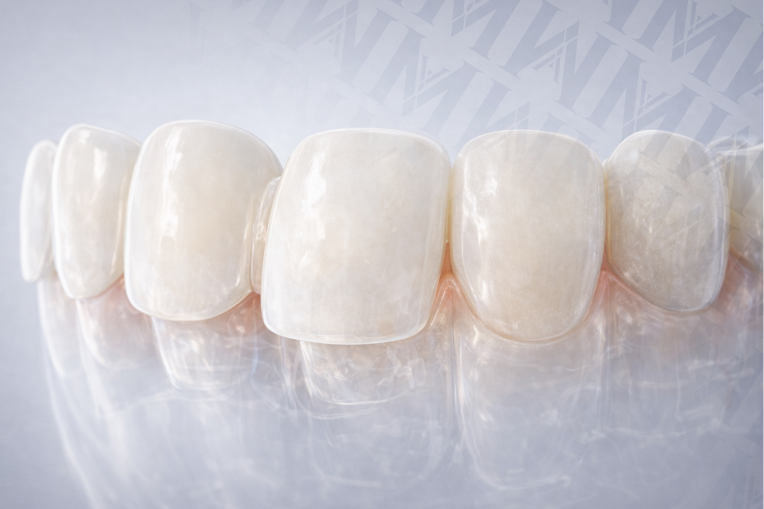
Porcelain veneers have long been a leading choice in cosmetic dentistry due to their natural appearance and durability. They are handcrafted from layered ceramic to create lifelike colour and translucency, usually requiring 0.5 to 0.7 mm of enamel removal for proper fit. With good care, porcelain veneers can last 10 to 20 years or more and resist staining far better than composite options.
Composite Veneers
Composite veneers are made from tooth coloured resin applied and shaped directly on the teeth, often completed in a single visit without laboratory work. Their main advantage is affordability, along with minimal enamel removal and easier repair if damaged. However, they typically last only 5 to 7 years and are more prone to staining and chipping, making them best suited for patients seeking a lower cost or short-term cosmetic solution.
No-Prep Veneers
No prep veneers are ultra-thin porcelain shells, usually about 0.2 to 0.3 mm thick, that can often be bonded directly to the teeth with little or no drilling. Their main advantage is minimal tooth alteration, which can make them appealing for patients who want a less permanent option. However, because no enamel is removed, results can sometimes look bulky; they may not hide severe discolouration well, and they typically last only 5 to 10 years.
Temporary Veneers
During traditional veneer treatment, temporary veneers are placed to protect your teeth while the permanent veneers are made in the laboratory. They are usually made from acrylic or composite resin and help maintain appearance and function during this short period. Temporary veneers are not meant for long term use, so you should avoid sticky or very hard foods and chew carefully until your final veneers are placed.
Who is a good candidate for veneers?
Most adults with healthy teeth and gums are good candidates for dental veneers. During your consultation, your dentist will assess your oral health and goals to determine whether veneers are suitable and which type will provide the best result.
Ideal candidates typically have:
- Stained or discoloured teeth that do not respond adequately to whitening treatments
- Chipped, cracked, or worn teeth affecting smile aesthetics
- Gaps between teeth that they prefer not to address with orthodontics
- Minor misalignment or irregularly shaped teeth
- Sufficient healthy enamel to support veneer bonding
- Good overall oral health without active decay or gum disease
- Realistic expectations about outcomes and maintenance
Who should consider veneer alternatives?
Veneers are not suitable for everyone. Certain conditions make other treatments more appropriate or require preliminary work before veneer placement:
- Severe tooth decay: Must be treated before any cosmetic work
- Active gum disease: Requires periodontal treatment first
- Insufficient enamel: May need crowns instead of veneers
- Severe bruxism: Grinding can damage veneers without night guard commitment
- Significant misalignment: Orthodontic treatment may be necessary
- Very young patients: Teeth must be fully developed
If you grind your teeth, veneers may still be possible with commitment to wearing a night guard. Many clinics include custom night guards as part of comprehensive veneer treatment packages.
Veneers vs Orthodontics: Making the Right Choice
The choice between veneers and orthodontics depends on the severity of the misalignment and your treatment goals. Veneers can quickly create the appearance of straighter teeth and work well for mild crowding, small gaps, or shape related irregularities, often within one to two weeks.
However, veneers do not move teeth, so moderate to severe misalignment is better treated with orthodontics. In some cases, orthodontic treatment is followed by veneers for final cosmetic refinement. Your dentist will evaluate your situation and recommend the approach that delivers the best long term result.
The Dental Veneer Procedure Step by Step
Understanding the veneer procedure helps you prepare mentally and practically for treatment. While every case is unique, most patients follow a similar journey from initial consultation to final smile reveal.
The typical dental veneer journey:
- Initial Consultation: Examination, X-rays, and discussion of goals
- Digital Smile Design: Preview of results and shade selection
- Tooth Preparation: Enamel removal and impressions
- Temporary Veneers: Protection while permanent veneers are made
- Lab Fabrication: Custom veneer creation (3-7 days)
- Final Placement: Bonding, adjustment, and polishing
- Follow-Up: Bite check and final adjustments if needed
Initial Consultation and Smile Design
Your veneer journey starts with a detailed consultation where your dentist examines your teeth, takes X rays if needed, and discusses your goals and concerns. Many clinics use digital smile design to preview possible results, helping you visualise different shapes, sizes, and shades before treatment begins.
Shade selection is an important step, and your dentist will guide you toward a colour that suits your skin tone and looks natural, with softer shades often providing the most realistic long term results.
Tooth Preparation
The preparation appointment usually takes 30 to 60 minutes per tooth. After numbing the area with local anaesthesia, your dentist removes a thin layer of enamel from the front and edges of each tooth to create space for the veneer, with the amount removed depending on the veneer type:
- Porcelain veneers: 0.5-0.7mm removal
- No-Prep veneers: Minimal to no removal
- Composite veneers: Minimal removal
This preparation allows the veneer to sit naturally without making the teeth look bulky and is irreversible because enamel does not grow back. After preparation, impressions are taken using dental putty or a digital scanner to create your custom veneers, and temporary veneers are placed to protect your teeth while the final veneers are made.
Lab Fabrication
Your impressions or digital scans are sent to a dental laboratory where custom veneers are created, usually within 3 to 7 days. Porcelain veneers are carefully layered to mimic natural tooth colour and translucency. Reputable laboratories follow strict quality standards, often provide warranties, and in house labs can speed up production and improve communication.
Final Veneer Placement
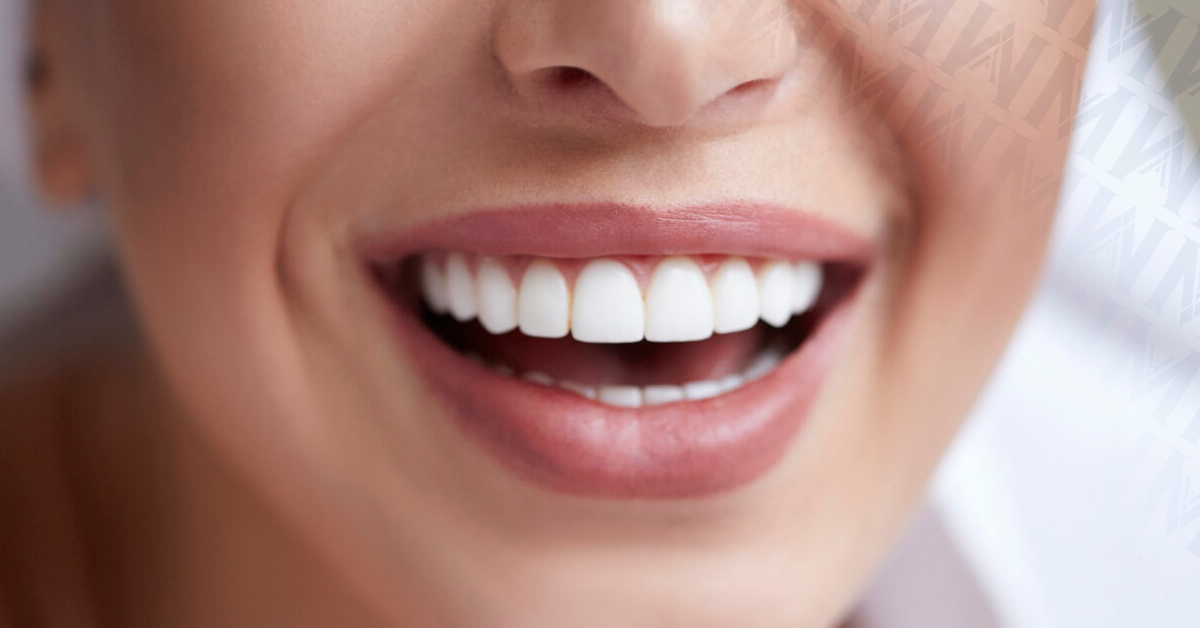
At the placement visit, the temporary veneers are removed and the teeth are cleaned. Each veneer is tried on without cement to check fit, colour, and appearance, with adjustments made if needed. Once approved, the veneers are bonded to the teeth using dental cement and a curing light to create a permanent bond. Final bite checks and polishing complete the process, and patients typically see an immediate transformation.
Same-Day Veneers
Some dental practices offer same day veneers using CEREC technology, allowing veneers to be designed and produced in a single visit. After tooth preparation, your dentist takes a digital scan, designs the veneers on a computer, and mills them from ceramic blocks in the clinic, usually within two to three hours.
This option works well for single teeth or small cases, while larger smile makeovers often benefit from laboratory made veneers that allow greater customisation and refinement.
How much do veneers cost?
Veneer costs vary significantly based on the material used, where you receive treatment, and how many teeth are involved. Understanding typical prices helps you budget appropriately and evaluate whether dental tourism offers meaningful savings for your situation.
| Veneer Type (per tooth) | Turkey | UK | USA |
|---|---|---|---|
| Porcelain | £150-£300 | £700-£1,200 | $1,000-$2,500 |
| Composite | £80-£150 | £300-£600 | $400-$800 |
| No-Prep | £200-£350 | £700-£1,000 | $800-$2,000 |
| Full Set (16-20 teeth) | £2,400-£6,000 | £12,000-£25,000 | $20,000-$40,000 |
Veneer Costs in the UK
In the UK, veneer prices vary widely by location and clinic, with London practices typically charging 20 to 40 percent more than those in other parts of the country due to higher operating costs.
| Veneer Type | Average UK Cost (per tooth) |
|---|---|
| Porcelain | £700-£1,200 |
| Composite | £300-£600 |
Veneers are not covered by NHS dental services and are rarely included in private dental insurance, so most patients pay out of pocket, although some clinics offer payment plans. In the UK, a full smile makeover with 16 to 20 veneers typically costs between £12,000 and £25,000, with premium clinics charging more, which leads many patients to consider more affordable treatment options abroad.
Veneer Costs in the USA
Dental veneer costs in the USA are among the highest globally, with significant variation across states and metropolitan areas.
| Veneer Type | Average USA Cost (per tooth) |
|---|---|
| Porcelain | $1,000-$2,500 |
| Composite | $400-$800 |
In major US cities such as New York, Los Angeles, and San Francisco, veneer prices are often 30 to 50 percent higher than the national average, with full smile makeovers commonly costing $30,000 to $50,000. Because veneers are usually classified as cosmetic and not covered by dental insurance, many American patients choose to explore dental tourism as a more affordable option.
Veneer Costs in Turkey
Turkey has become a leading destination for dental veneers, offering savings of 60 to 80 percent compared to UK and US prices while using the same premium materials and modern technology.
| Veneer Type | Turkey Cost (per tooth) | Typical Savings |
|---|---|---|
| Porcelain | £150-£300 | 65-75% |
| Composite | £80-£150 | 70-80% |
A full smile makeover with 16 to 20 porcelain veneers in Turkey typically costs €2,400 to €6,000, compared with £12,000 to £25,000 in the UK, resulting in substantial savings even after travel expenses. These lower prices reflect reduced operating costs, favourable exchange rates, and high patient volumes, while clinics continue to use the same high quality porcelain materials and advanced CAD CAM technology found in Western practices.
What's included in veneer pricing?
When comparing quotes, ensure you understand exactly what is included. A comprehensive veneer price should cover:
- Initial consultation and examination
- X-rays and any necessary imaging
- Digital smile design preview
- Tooth preparation
- Impressions or digital scanning
- Temporary veneers
- Laboratory fabrication
- Final veneer placement
- Bite adjustment and polishing
- Follow-up appointments
- Warranty on materials and workmanship
Some clinics promote low headline prices but add extra fees for consultations, temporary veneers, or adjustments, while others offer clear all inclusive pricing. Always ask for a detailed cost breakdown before treatment. In Turkey, many clinics provide packages that include treatment, airport transfers, hotel accommodation, and sometimes city tours, making budgeting easier and offering strong overall value.
Are veneers worth it?
Veneers are a significant investment and should be considered carefully. For the right candidates, they offer long term value that goes beyond cosmetic enhancement.
| Advantages of Veneers | Disadvantages of Veneers |
|---|---|
| Dramatic smile transformation in days | Irreversible enamel removal |
| Natural appearance with quality materials | Higher cost than whitening or bonding |
| Stain-resistant (porcelain) | Potential temporary sensitivity |
| Long-lasting results (10-20 years) | May need replacement eventually |
| Addresses multiple concerns at once | Not suitable for all dental issues |
| Boosts confidence and self-esteem | Requires ongoing maintenance |
| Faster than orthodontic treatment | Cannot be whitened after placement |
The value of veneers depends on your personal priorities and circumstances. Many patients who feel self conscious about their smile find the confidence boost genuinely life changing, improving comfort in social, professional, and everyday situations.
From a cost perspective, well cared for porcelain veneers that last around 15 years can be very economical when the expense is spread over time, often comparing favourably with repeated whitening or bonding treatments.
The main consideration is that traditional veneers are irreversible, as enamel removal means long term coverage is required, so the decision should be made carefully, but for many patients the benefits clearly outweigh this trade off.
How long do veneers last?
Expected lifespans of veneers by material:
- Porcelain veneers: 10-20 years
- Composite veneers: 5-7 years
- No-Prep veneers: 5-10 years
These figures are averages. Some veneers may fail earlier due to damage or complications, while others can last 25 years or more. Longevity depends on the quality of placement, the skill of the ceramist, and your individual habits.
Factors Affecting Veneer Longevity
Several factors within your control significantly impact how long your veneers last:
- Oral hygiene: Excellent brushing and flossing protect the margins where veneers meet natural tooth structure. Decay at these edges is a common reason for veneer failure.
- Diet: Regularly biting hard foods like ice, hard sweets, or nuts directly on veneered teeth increases fracture risk. Acidic foods and drinks can affect bonding cement over time.
- Teeth grinding: Bruxism places enormous stress on veneers, particularly porcelain and E-Max. Night guards are essential for grinders to protect their investment.
- Lifestyle habits: Nail biting, chewing pens, or using teeth as tools accelerates wear and increases damage risk.
- Regular dental care: Professional cleanings and checkups catch potential problems early, allowing intervention before small issues become veneer-threatening complications.
Signs Your Veneers Need Replacement
Monitor your veneers for these warning signs that may indicate replacement is needed:
- Visible chips or cracks: Even small damage compromises aesthetics and can worsen over time
- Discolouration: Particularly with composite veneers that absorb stains
- Loosening or movement: May indicate cement failure or underlying decay
- Rough or worn edges: Normal wear eventually affects veneer margins
- Dark lines at gum edge: Can indicate gum recession exposing veneer margins
- Changes in bite feel: May suggest shifting or damage
- Sensitivity: New sensitivity in veneered teeth warrants investigation
Regular dental checkups catch many issues before they become obvious problems. Your dentist can assess veneer condition and recommend proactive replacement when appropriate.
What to expect after getting veneers?
In the first day or two after veneer placement, some sensitivity is normal as your teeth adjust to their new covering. This typically resolves within two to four weeks as secondary dentin forms beneath the prepared teeth.
During the initial period:
- Avoid very hot or cold foods and beverages if experiencing sensitivity
- Stick to softer foods while adjusting to how your new bite feels
- Use sensitivity toothpaste if recommended by your dentist
- Take over-the-counter pain relief if needed, though most patients require none
Your dentist may schedule a follow-up appointment within a week or two to check your bite and make any necessary adjustments.
Long-Term Veneer Maintenance
Daily care for veneered teeth mirrors best practices for natural teeth:
- Brush twice daily with a soft-bristled toothbrush and non-abrasive toothpaste. Avoid whitening toothpastes, which can be too abrasive.
- Floss daily around all teeth, including veneered ones. Proper flossing protects the critical junction between veneer and tooth.
- Use mouthwash if desired, but avoid formulations with alcohol, which can affect bonding cement over time.
- Attend regular checkups every six months for professional cleaning and veneer assessment.
- Wear a night guard if you grind your teeth. Many clinics include custom night guards with comprehensive veneer treatment.
Foods and Habits to Avoid After Getting Veneers
Certain foods and habits pose greater risks to veneers than natural teeth:
- Hard foods: Avoid biting directly into ice, hard sweets, popcorn kernels, nuts, or crusty bread. Cut hard foods into smaller pieces.
- Staining substances: While porcelain resists staining well, the cement at veneer edges can discolour. Moderate consumption of coffee, tea, red wine, and berries.
- Tobacco: Smoking stains both veneers and surrounding natural teeth unevenly, compromising aesthetics.
- Using teeth as tools: Never use veneered teeth to open packages, bite fingernails, or hold objects.
- Chewing non-food items: Pens, pencils, and similar items stress veneers unnecessarily.
Veneer Complications and Risks
While veneers are generally safe and successful, understanding potential complications helps you make informed decisions and know when to seek help.
- Sensitivity: Some degree of sensitivity in the weeks following placement is common and usually resolves as teeth adapt. Persistent or severe sensitivity warrants evaluation.
- Chips and cracks: Porcelain and E-Max can chip under excessive force. Small chips may be polished smooth; larger damage typically requires veneer replacement.
- Veneer debonding: If a veneer comes loose, contact your dentist promptly. Early intervention often allows successful recementing. Do not attempt to reattach veneers yourself.
- Colour mismatch: Proper shade selection during planning prevents this issue. If veneers appear too bright, too yellow, or mismatched with adjacent teeth, discuss concerns with your dentist.
- Gum irritation: Veneers that extend too far below the gum line can cause inflammation. Proper design and placement prevent this complication.
- Decay at margins: The junction between veneer and natural tooth remains vulnerable to decay. Excellent oral hygiene is essential for long-term success.
Contact your dentist if you experience ongoing pain, noticeable veneer movement, visible damage, persistent sensitivity beyond four to six weeks, or any concerns about how your veneers look or feel.
Affordable Veneers Abroad: Is Turkey a good option?
Turkey has become a leading global destination for dental veneers, attracting hundreds of thousands of international patients each year. Significant cost savings, high quality care, and efficient treatment make it an appealing choice for smile transformations, supported by several key factors.
- Significant cost savings: Veneer treatment in Turkey typically costs 60 to 80% less than in the UK or US, even when using premium materials and including travel expenses.
- Same quality materials: Reputable clinics use high quality porcelain and materials from trusted international manufacturers.
- Modern facilities: Leading clinics are equipped with advanced CAD CAM systems, 3D imaging, in house laboratories, and modern treatment environments.
- Highly experienced dentists: High patient volumes allow Turkish dentists to gain extensive experience and deliver efficient, consistent results.
- Fast treatment timelines: Full smile makeovers are often completed within 5 to 7 days due to streamlined workflows and in house production.
Combining Veneers with Other Treatments
Dental tourism often makes sense for patients needing multiple procedures. Combining treatments in a single trip maximises savings and efficiency:
- Veneers with crowns: Many smile makeovers combine veneers on front teeth with crowns on more damaged teeth further back.
- Veneers with implants: Missing teeth can be replaced with implants while visible teeth receive veneers. Note that implant treatment requires multiple visits over several months.
- Veneers with whitening: Natural teeth can be whitened before veneer shade selection, ensuring a cohesive bright smile.
Treatment sequencing matters. Your dentist will advise on the optimal order for combined procedures based on your specific needs.
